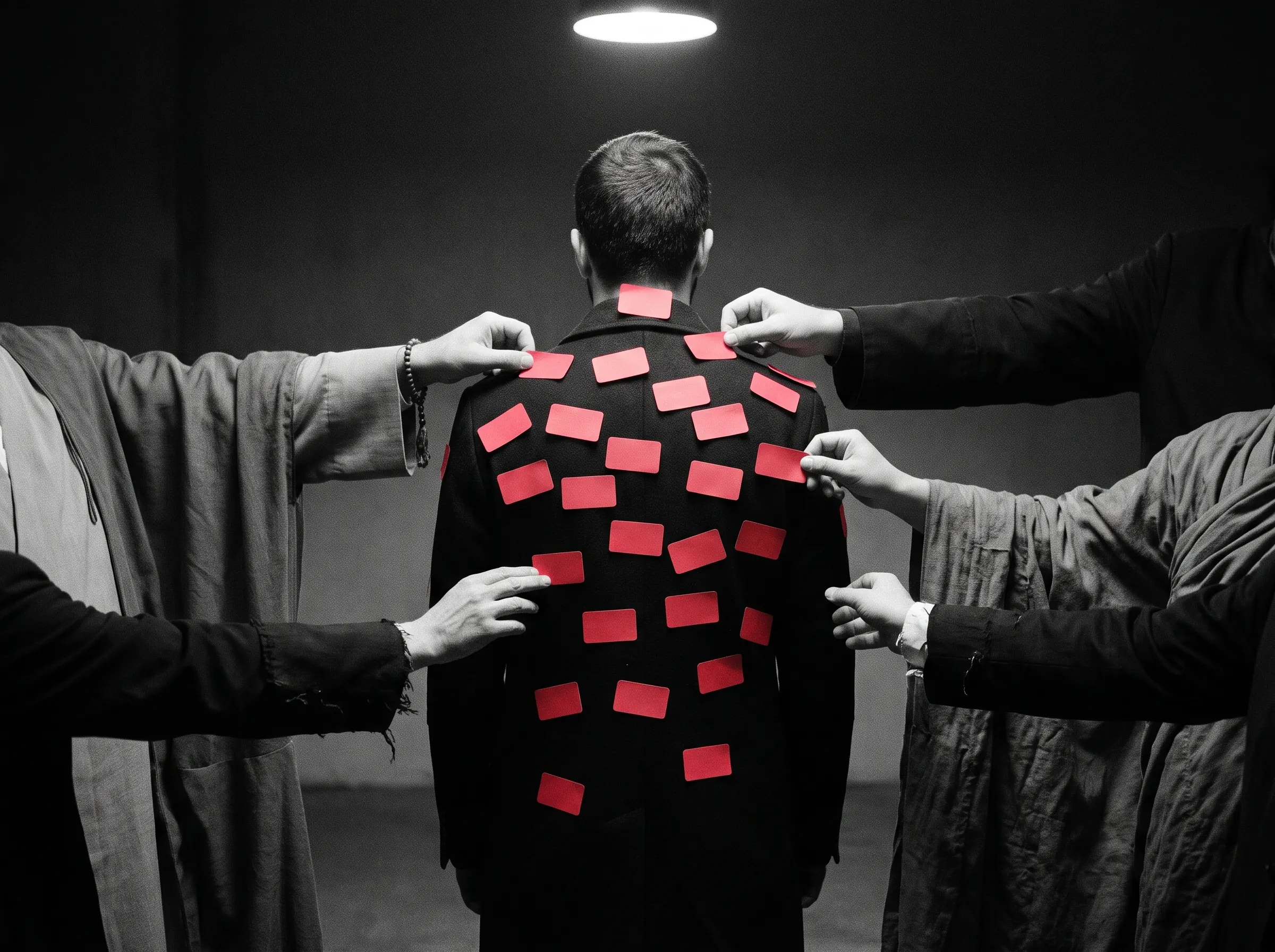
Who defined us?
When I asked “Who am I?”, I turned to the definitions. There were many definitions of the human being, but none of them was me; they all described a species called “human.”Every definition revealed the person doing the defining before it revealed the human being: what they wanted from us.Like the left and right of my childhood. All I had to do was turn around, and what had been on my right was now on my left.I’ll begin with the first definition, recited in my ear in the first days of my life, and work my way toward the definitions most of us still live by.So we can see what is left of us once all these labels are set aside.
1
Ear
The First Definition, Recited into My Ear
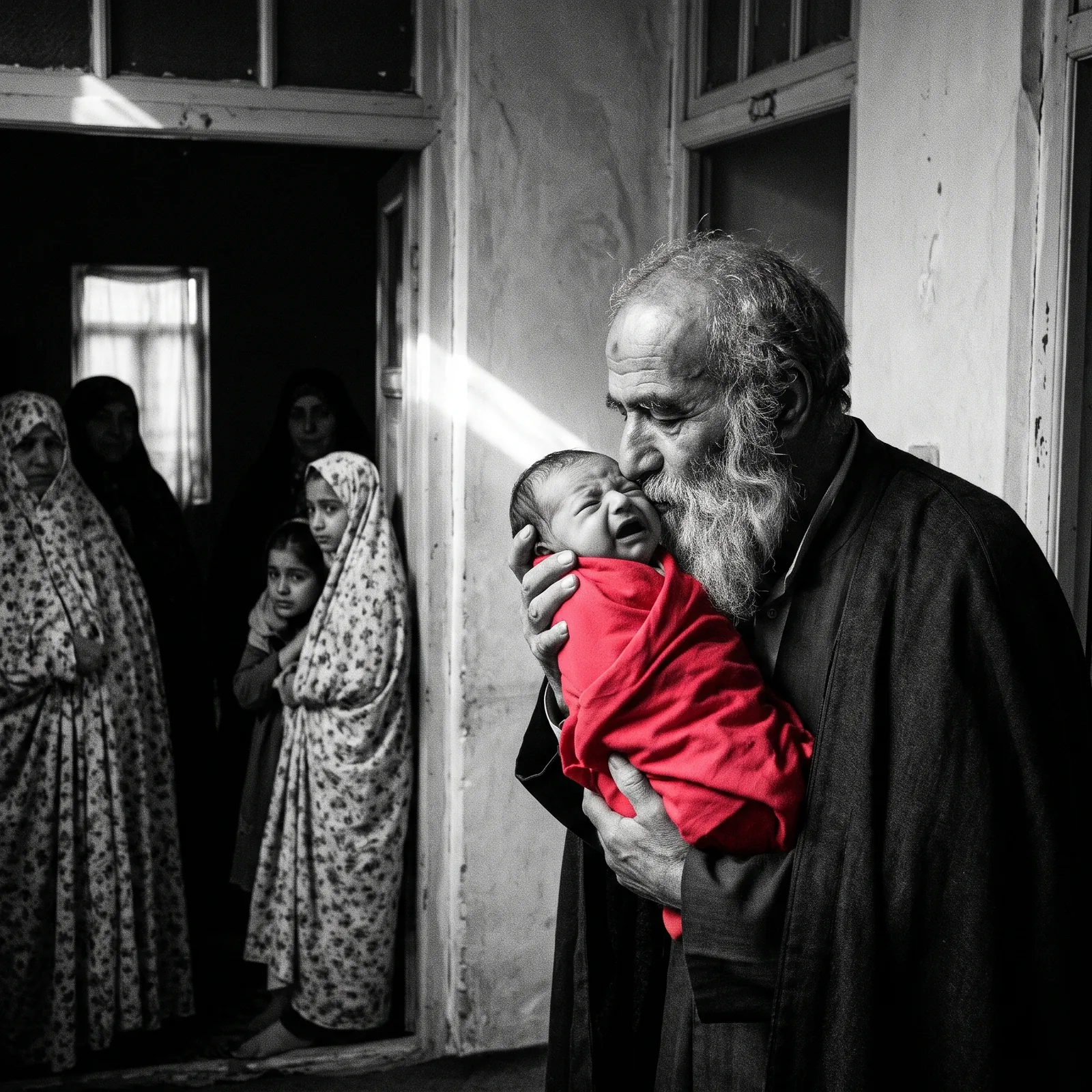
I had just been born. Outside, in the alley, the sound of Grandpa’s galoshes was coming closer: shuff… shuff… A cane, a cloak, a turban. The house was still full of joy when “Ya Allah, Ya Allah” filled the hallway.
Whether it was out of respect or fear, I don’t know; but everything changed, the joy, the freedom, all of it. The house filled with flowered chadors. Even my two little aunts, who were no more than three and eight years old, put on the chador.
Grandpa took me, lifted me up and kissed my cheek. He recited the call to prayer in my ear, and with every word the roughness of his beard scraped my face. I cried and he recited. Only the eyes of a fourteen-year-old girl grew wet, a girl who no longer looked at the doll on the shelf: my mother.
Then he held me up in front of his own eyes and said, “We’ll name him after the Prophet of God.” My future took shape while I was frightened and crying.
This story was told to me; I don’t remember it myself. But the call to prayer was the first brand burned into me. Before I knew what I was, they had already written down who I was.
Scientific finding: Worldwide, 91% of adults under 55 still identify with the same religion, or with no religion, as they did in childhood; among Muslims, 99% (Pew, 2025, 117 countries).
2
Judge
Before We Could Judge for Ourselves
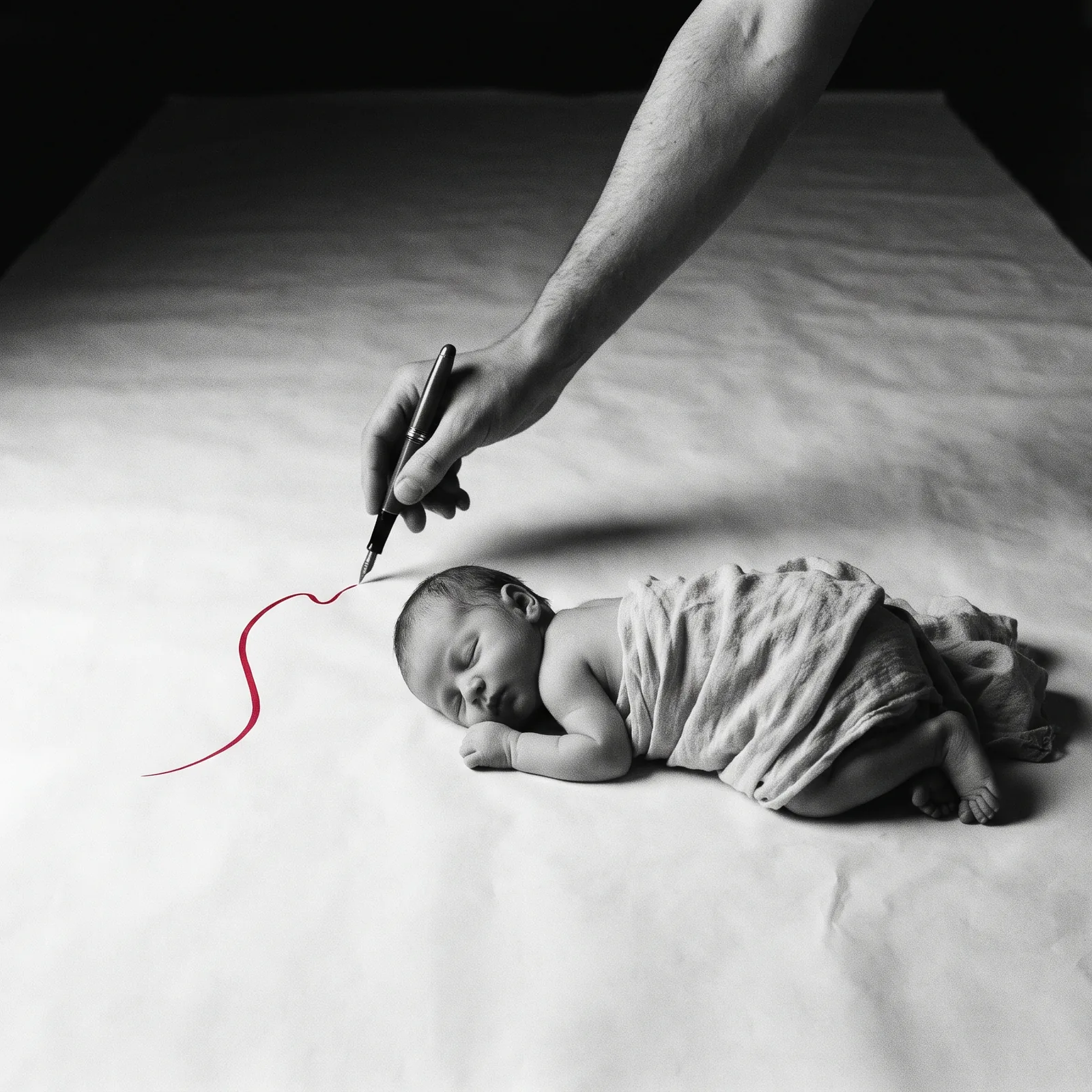
We adults weigh up what we hear before accepting it: Is it true? What is the evidence? A newborn cannot yet judge things that way. Whatever it hears and sees is simply the world. And we have no memory of those years that we could later go back to and review.
To see how much a newborn’s experience shapes our whole life, here is one example: our mother tongue. None of us chose it, yet we think in it, dream in it and get angry in it. Our name is the same; nobody ever asked us, and to this day we answer to it.
The unconscious mind can be imagined as a blank sheet of paper. The effect of the first things written on it lasts longer than anything else. The call to prayer, the ritual washing and the naming are of this kind: they leave their seal, their brand, on us, and the rest of the family reinforces those marks through words and behavior.
What reaches us in those years doesn’t seem like a “belief”; it seems like “the truth.” We examine beliefs; we don’t examine what we take to be truth itself. That is why someone born into a home with one creed usually holds that creed, and in another home, another creed; not because they examined all the alternatives, but because they absorbed it before they could judge for themselves.
Scientific finding: Infant memories are forgotten, but their traces remain and affect later behavior without our remembering (Richardson, 2014; mostly animal studies). Early experiences and relationships shape the brain’s developing architecture (Harvard, 2007).
3
Erase
Hard to Erase
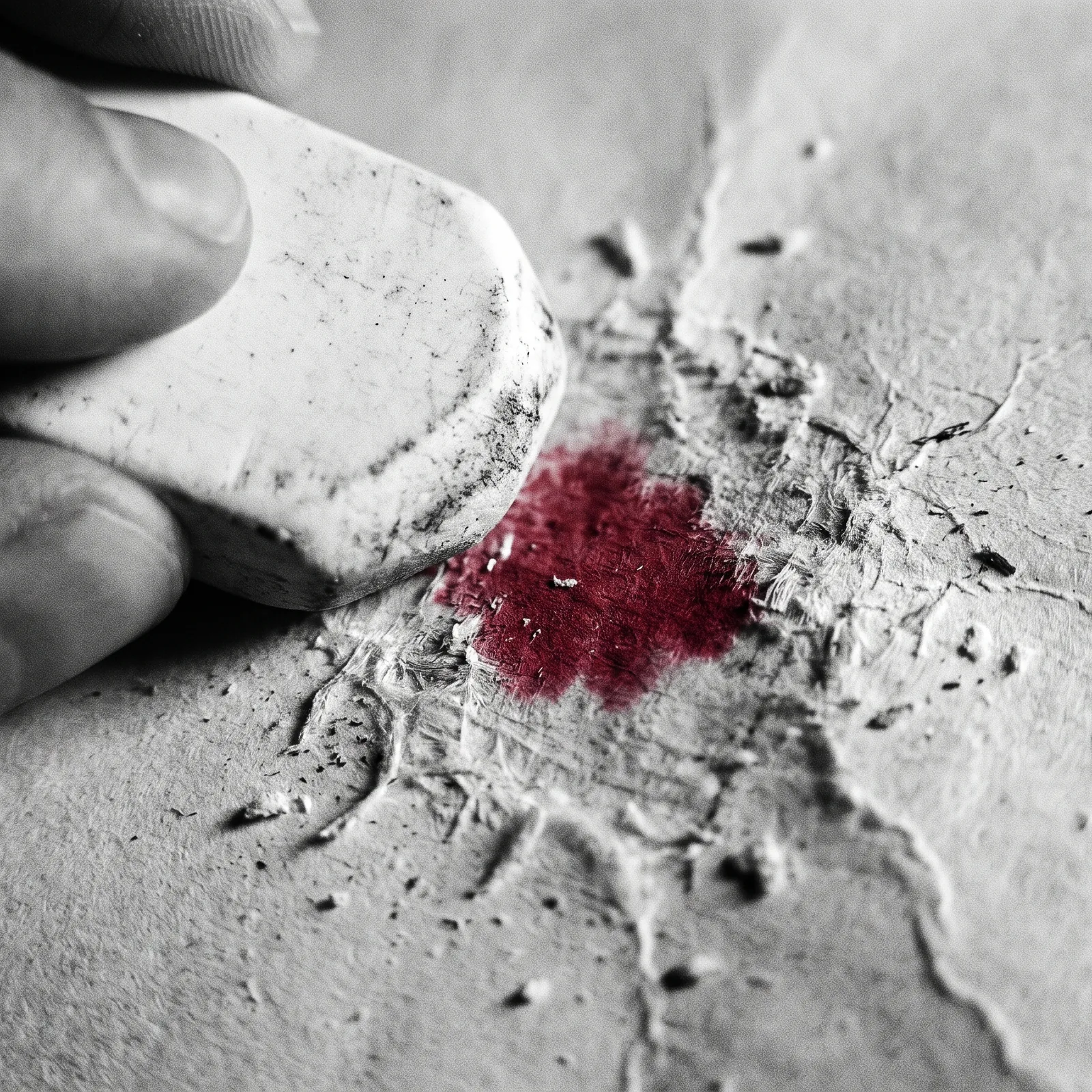
Those first words, written on the blank page of infancy, are hard to erase. Many of us carry our religion, our traditions and our family’s fears for years without rethinking them. The mind prefers the familiar path because change comes at a cost.
But those words can be erased. When someone can look up from the pursuit of more and see things differently, they can begin to examine what they have accepted. Some people do exactly that.
But first we need to know why these things were written.
Scientific finding: In the US, 82% of people raised in a very religious home keep their childhood religion, versus 47% in a less religious home (Pew, 2025). The brain prefers the status quo (Samuelson and Zeckhauser, 1988).
4
Birth
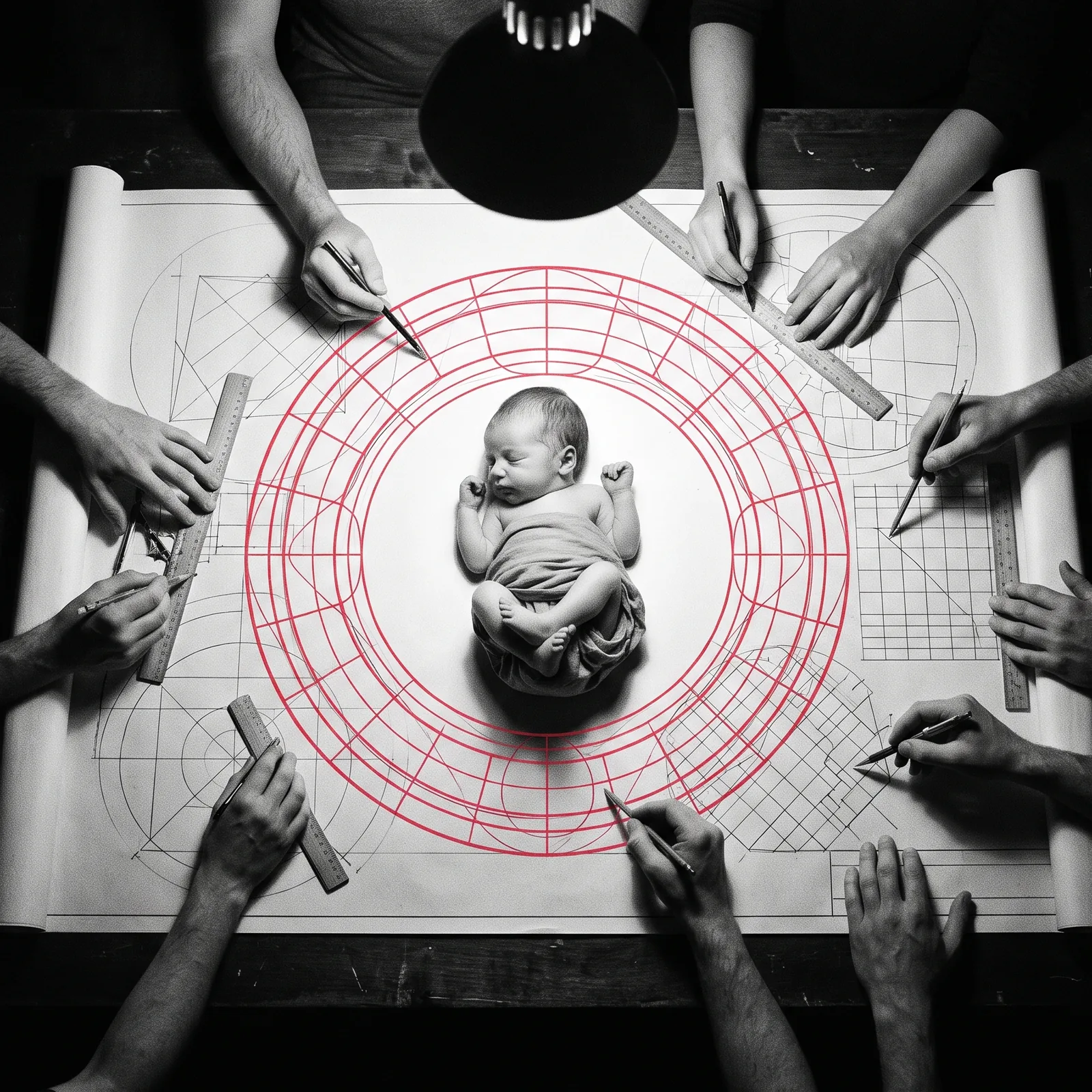
The Blueprint They Drew for Us at Birth
Now that we know that from the very beginning others decided for us, the next question is: what purpose lies behind these definitions? Do they show the real human being, or what they want from the human being?
Look at yourself. You define everything in terms of what it offers you. A cow is milk to the farmer and meat to the butcher, and no one asked the cow. Each of them defined human beings by their own needs: one wanted obedience, another soldiers, another workers. Now let’s see how they defined us.
5
Heaven
Government & Religion: From Heaven
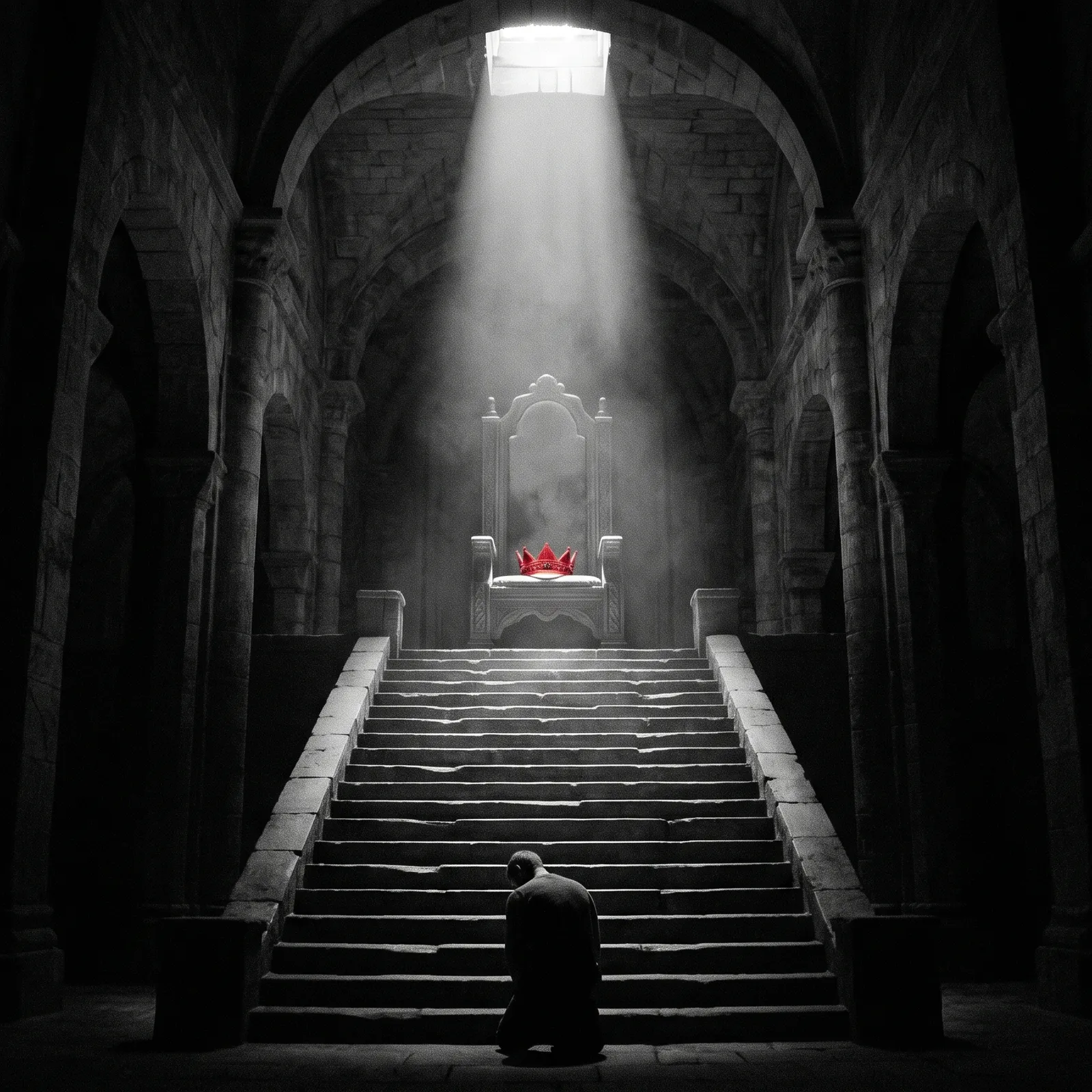
There has always been someone claiming the right to speak for us. On Hammurabi’s stele, the king of Babylon stands before the sun god and receives the emblem of kingship from his hand. In Egypt, the pharaoh was the son of the sun god. And in Europe, kings for centuries called their rule a “divine right.”
In this definition, we are creatures and servants, here to obey. And since the ruler came from heaven, his command is heaven’s command.
Historical source: James I of England told Parliament: “Kings are not only God’s lieutenants upon earth, and sit upon God’s throne, but even by God himself they are called gods.” (1610)

6
No
Government & Religion: No
When the ruler has come from heaven, saying “no” to him is no longer opposing a man; it is disobeying God. This definition of us as servants demanded exactly that: a person who does not ask questions.
Sacred text doesn’t speak for itself, either. Someone always reads it, interprets it, and says how to act on it. In 1633, the interpretation of the day said the Earth does not move, and Galileo was forced to recant. The text hadn’t changed; it was the interpretation that had passed judgment. And most of the time, we have only heard the voice of the interpretation.
I too was proud to be a servant for years, until I realized I had been carrying out the orders of a man I didn’t even know. If you don’t know yourself, what is the difference between servitude and slavery?
Scientific finding: In Milgram’s experiment, 65% of participants went to the highest shock (450 volts) on another person, solely on the command of an “authority” (Milgram, 1963).
7
Reason
Philosophers: Reason
But not everyone who defined the human being was a ruler or a cleric. Some spent their whole lives on this very question.
Aristotle defined the human as an animal with reason and speech: a being who thinks about good and bad and speaks of justice. Two thousand years later, Descartes took the same idea a step further: “I think, therefore I am.” In this view, being human means being rational.
Historical source: “Man alone of the animals possesses speech (logos).” (Aristotle, Politics, 1253a)
8
Purpose
Philosophers: Purpose
That same Aristotle said some humans are “slaves by nature”: people born to be put to use. His definition recognized our capacity to reason, but not what it should serve.
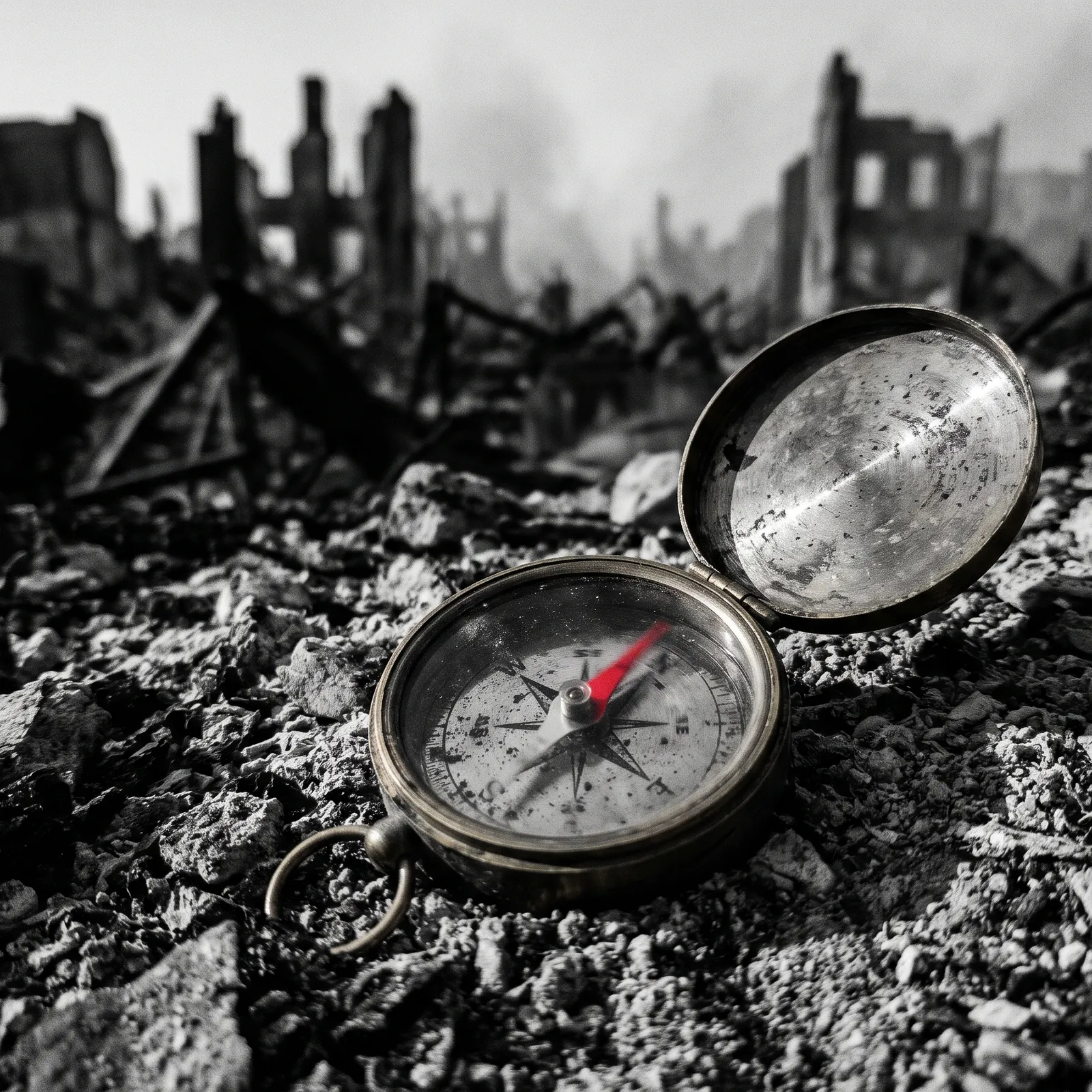
Two thousand three hundred years later, reason gained the power to kill beyond the individual; a whole city was destroyed in a fraction of a second. If the purpose is still power and wealth, reason hasn’t brought us out of the jungle; it has only built a more dangerous one.
The World Wars and the bombings of Hiroshima and Nagasaki showed how destructive unrestrained reason can be. Reason and mind are a real dimension of being human, but on their own they have no direction. Something must restrain this power and give it direction.
Scientific finding: Patients whose brain damage had cut emotion off from their decisions scored normally on logic tests, yet made ruinous decisions in life; reason alone gives no direction (Damasio, Descartes’ Error, 1994).
9
Origin
Mystics: the Origin
The mystics approached the human question from a different angle. Rumi opens the Masnavi with the lament of the reed, cut from its reed-bed: “Everyone who is left far from his origin seeks again the time of union.”
A thousand years before him, Plotinus, the Greek-speaking Egyptian mystic, had asked the same thing: what made souls forget their origin, and though they are parts of it, know neither themselves nor it?
Two people, from two cultures, a thousand years apart, said one thing: we are fragments left separated from a greater whole, and our restlessness comes from that distance.
Historical source: “What has caused the souls to forget the Father, God, and, though they are parts of that realm, to be ignorant both of themselves and of him?” (Plotinus, Enneads 5.1.1, c. 260 CE)
10
Where
Mystics: Far from Where?
But far from where? Most mystics saw that “origin” somewhere outside this world: in heaven, or after death.
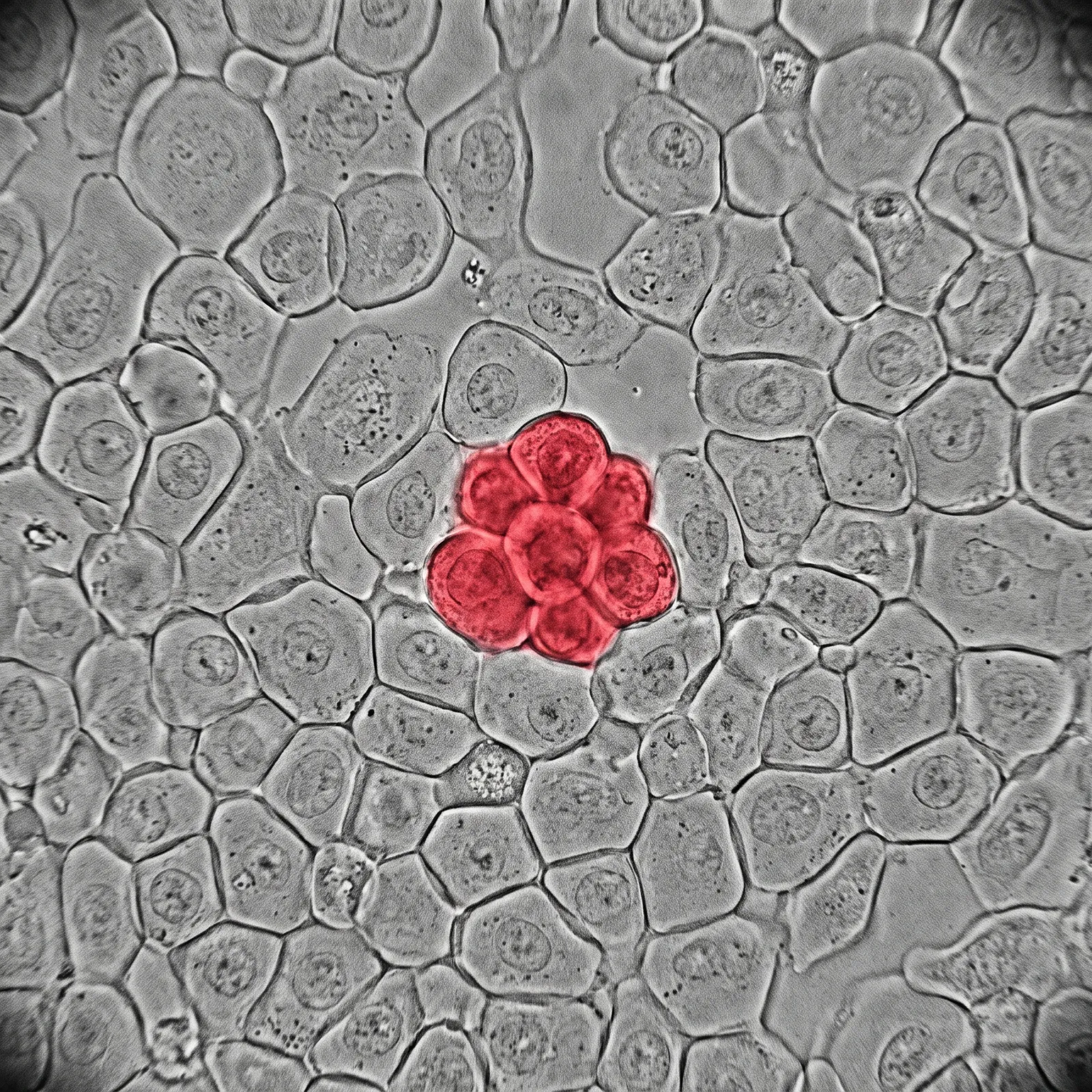
Perhaps the origin is right here. Each cell of our body lives only in its own place and doesn’t know what the body is, yet its survival depends on that body’s order. A cell that forgets this order and grows only for itself is called cancer.
Perhaps we, too, are cells of a larger whole: civilization. And our restlessness is not distance from heaven, but distance from our place within this whole. The mystics felt this distance rightly; they just looked for it elsewhere.
Scientific finding: Cancer can be seen as a breakdown of cell cooperation: a cell that breaks the body’s cooperation rules and multiplies only for itself (Aktipis et al., 2015).
11
Root
Science: the Root
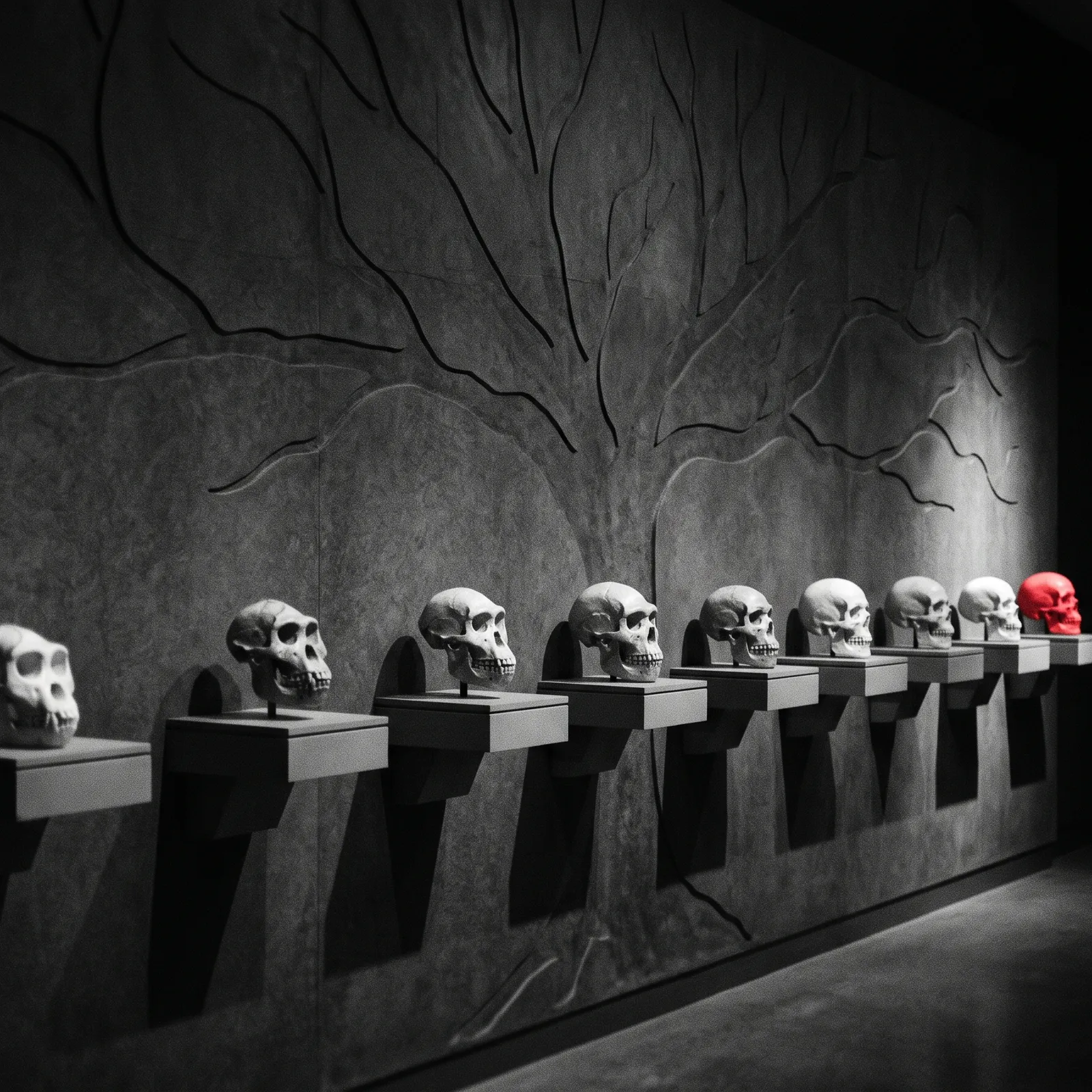
One person followed the traces instead of the stories. In the beaks of birds and in bones, Darwin saw that humans were not made apart from the rest of life; we are a branch of one tree.
Many people still think “theory” means a guess, something not yet proven. But in science, a theory is an explanation tested and confirmed many times against evidence, like the theory of gravity or the germ theory of disease.
Evolution today is confirmed from every side: fossils, genes, and even evolution observed by scientists in the lab. Scientists today debate the details of the path, which branch split when and how, not whether humans evolved.
Our root has been found: we are the product of millions of years of evolution.
Scientific finding: Human chromosome 2 was formed by the fusion of two chromosomes of our common ancestor with the great apes, and the trace of this fusion is still visible in our DNA (IJdo et al., 1991). Human and chimpanzee genomes are about 98.8% identical in comparable regions (Nature, 2005).
12
Tree
Science: the Whole Tree
But the root is not yet the whole tree. What philosophers did with reason, science did with the body: it saw the human body and its power, but didn’t ask what should give this power a direction?
Others filled this gap with something Darwin himself never said: if a human is only an animal fighting to survive, then might makes right. “Survival of the fittest” became a justification for ruthless competition, colonialism, and eugenics.
A civilization that defined the human only as a biological being unintentionally opened the way for structures that reward the most ruthless behavior.
Historical source: Darwin himself wrote in The Descent of Man that communities with the most sympathetic members flourished best and raised the most offspring (Darwin, 1871, ch. 4).
13
Taming
Politics: Taming
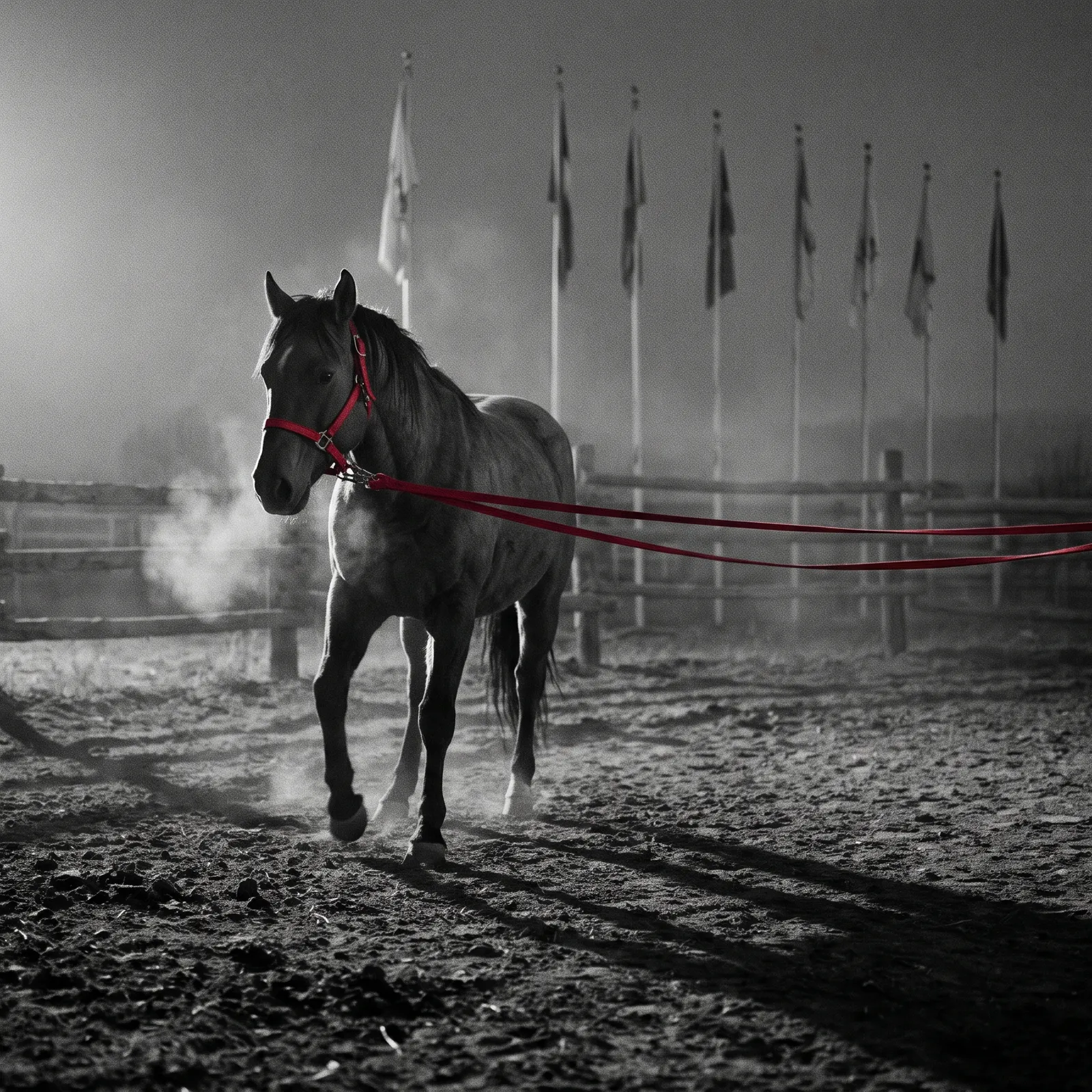
In Arabic, “siyasa” (politics) shares a root with “sa’is,” a horse groom: one who tends and tames the horse so it can be ridden. Politics pursues exactly this.
On the surface it is beautiful: citizenship, the vote for all, defense of the homeland. But behind that surface is often a system that sees one thing only: the interests of the ruling class. Here people, without knowing it, defend not their country but the interests of a particular few.
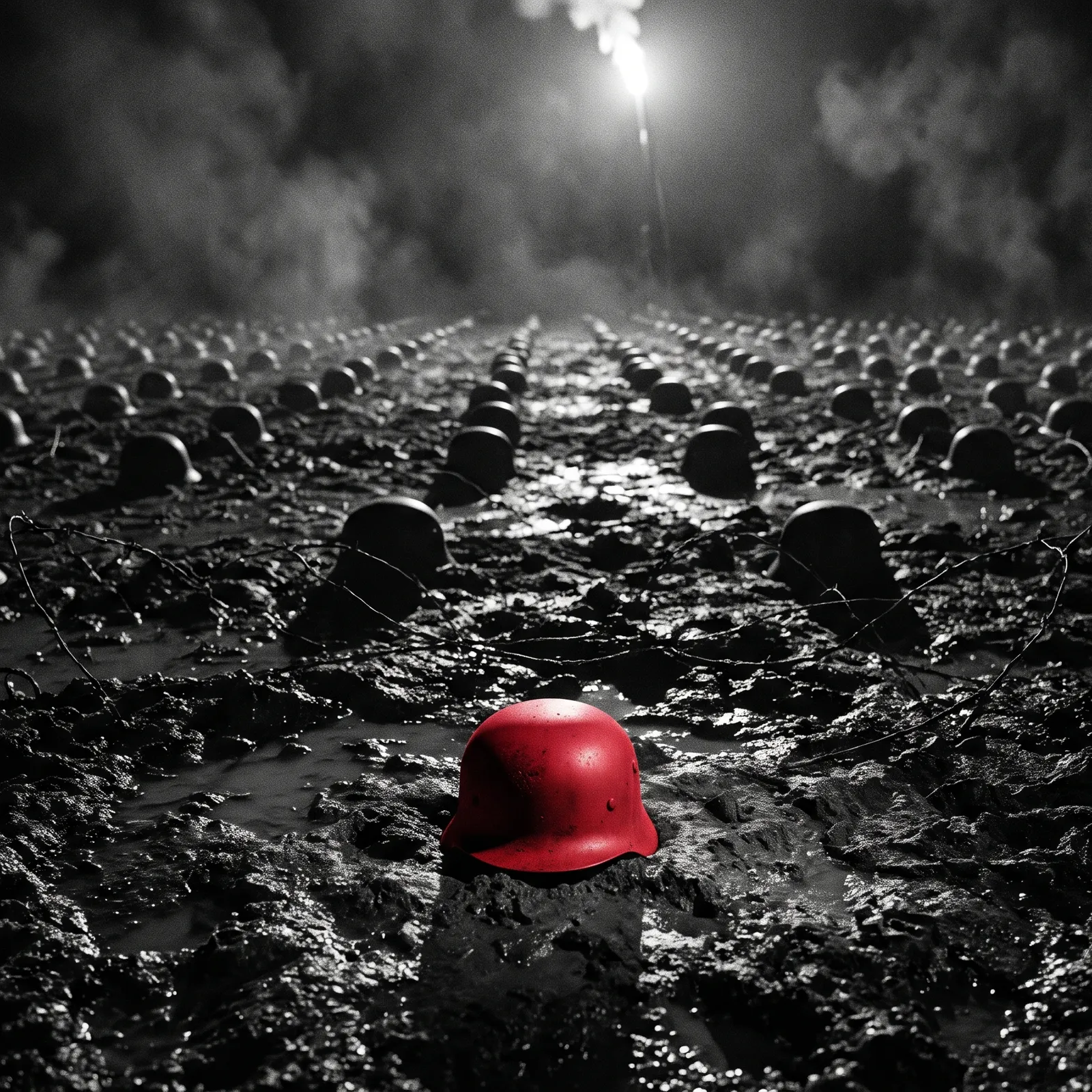
And politics uses a feeling that is real. In every civilization, even animal ones, sometimes one must give up their life so the rest can live. When a microbe enters the body, the protective cells are front-line soldiers; they resist and die, not for any particular cell, but for the order and wholeness of the body.
The difference is right here, narrow but decisive: sacrifice for the whole, or sacrifice for those who have put themselves in the place of the whole.
Scientific finding: When a worker bee stings to defend the hive, she dies; her stinger stays in the attacker and her life is given for the hive (Shorter and Rueppell, 2012).
14
Appropriation
Politics: Appropriation
I was eighteen when I began my military service. It was wartime, and I landed in the worst place: the demolition unit. Its slogan was famous and dangerous: “The first mistake is the last mistake.”
I could have chosen not to return. I could have deserted. But I didn’t, because I saw myself as a cell of a larger human being: my civilization. I fought for my civilization.
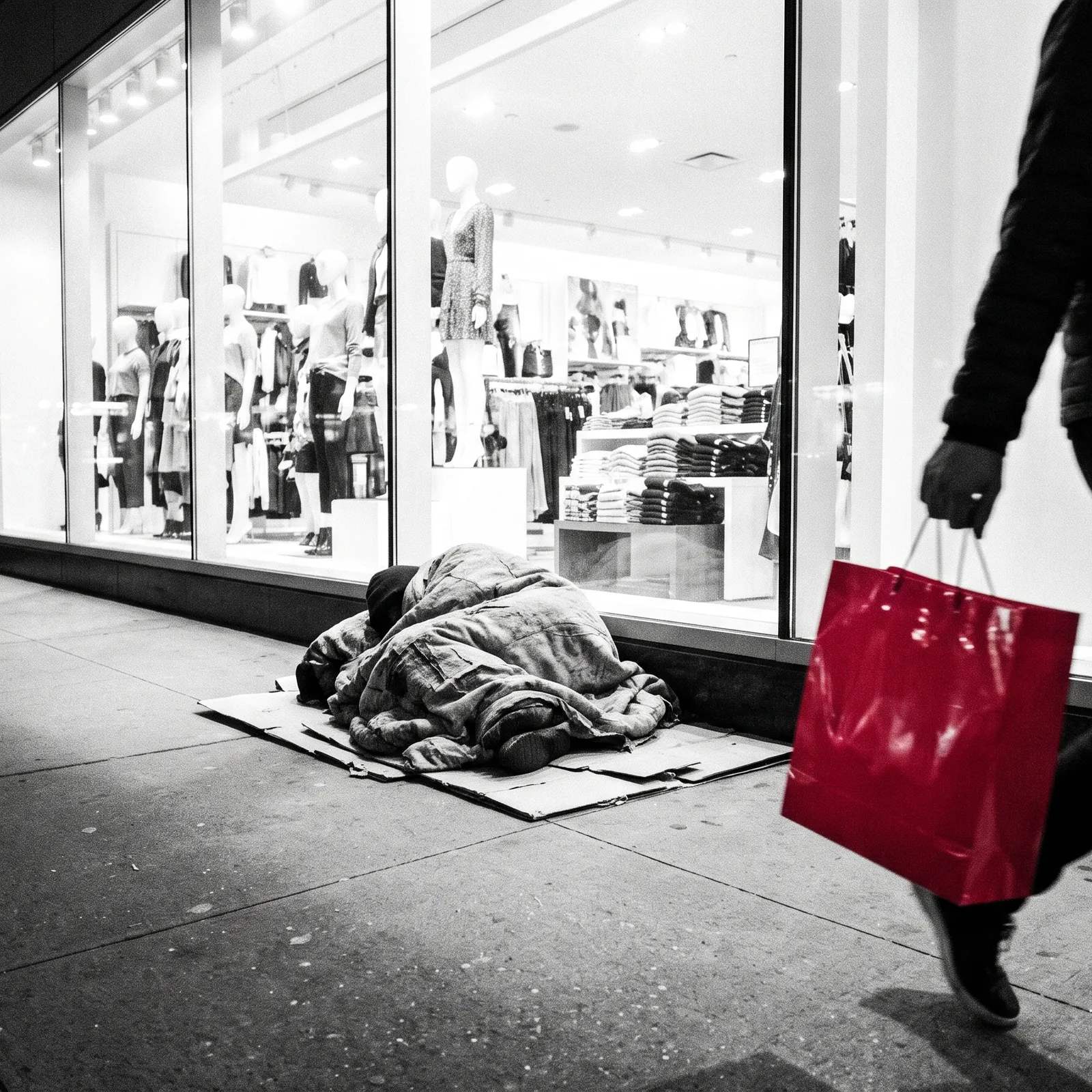
But this purpose was appropriated for the benefit of the ruling group. I understood it when, in one operation, several thousand people were lost to a single command error. For those running the war, we were only pieces on a board.
Historical source: On the first day of the Somme (1 July 1916), British soldiers, on their commanders’ orders, advanced slowly toward trenches believed to have been destroyed by artillery. About 19,000 men were killed in that one day.
15
Consumer
Economy: the Consumer
Today’s economy has defined us too: as consumers.
In this logic, the successful are those who can create more and bigger needs for people, to sell more, earn more, and consume more themselves. The cycle is simple: create a need, sell, buy.
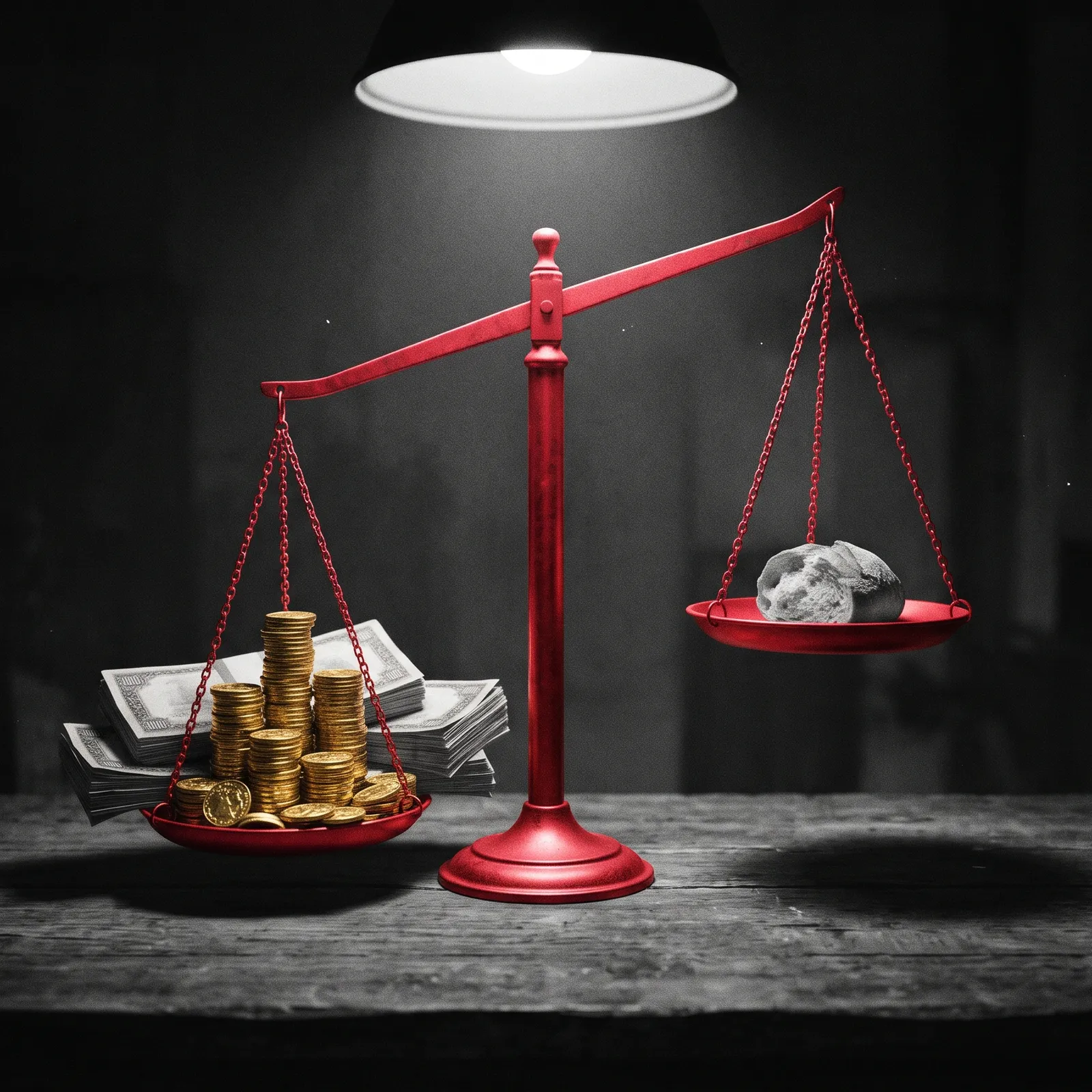
Consumption is no longer only about meeting needs; it is the measure of people’s standing. A person’s worth is set not by what they are, but by what they buy. The more you consume, the higher you sit, and if you can’t afford to buy, you fall out of the market’s sight.
Behind this definition live real people. In the US, on one night in January 2025, about 746,000 people were homeless, and more than a third had no shelter at all (HUD). Between the abundance of goods and human homelessness is a gap the shop windows don’t show.
Scientific finding: Differences in homelessness between US cities are explained more by rent costs and housing shortages than by addiction or mental illness (Colburn and Aldern, 2022).
16
Balance
Economy: Balance
The game of money grows bigger at the top each day and harder at the bottom. One person earns billions from a single deal while another still can’t come up with five dollars for a meal. The contradiction: a company needs customers, yet its workers’ wages sometimes don’t even cover their own cost of living.
This is no longer only exploitation; it is a question of balance. An economy that needs people’s purchases to keep going cannot keep squeezing those same people’s purchasing power forever.
In Iran I saw this with my own eyes. The economy ran on constantly rising prices: holding money was a loss, so everyone kept their money in circulation. It worked, up to a point. But prices outran people’s means; now if someone sells something, they can no longer buy the same thing back. We had all become poor millionaires: owners of homes or cars worth millions, but without enough cash to live on.
Scientific finding: In the states the GAO report examined, Walmart and McDonald’s were among the largest employers of workers receiving government food assistance; having a job did not necessarily mean being able to make ends meet (GAO, 2020).
17
Robots
Economy: Robots
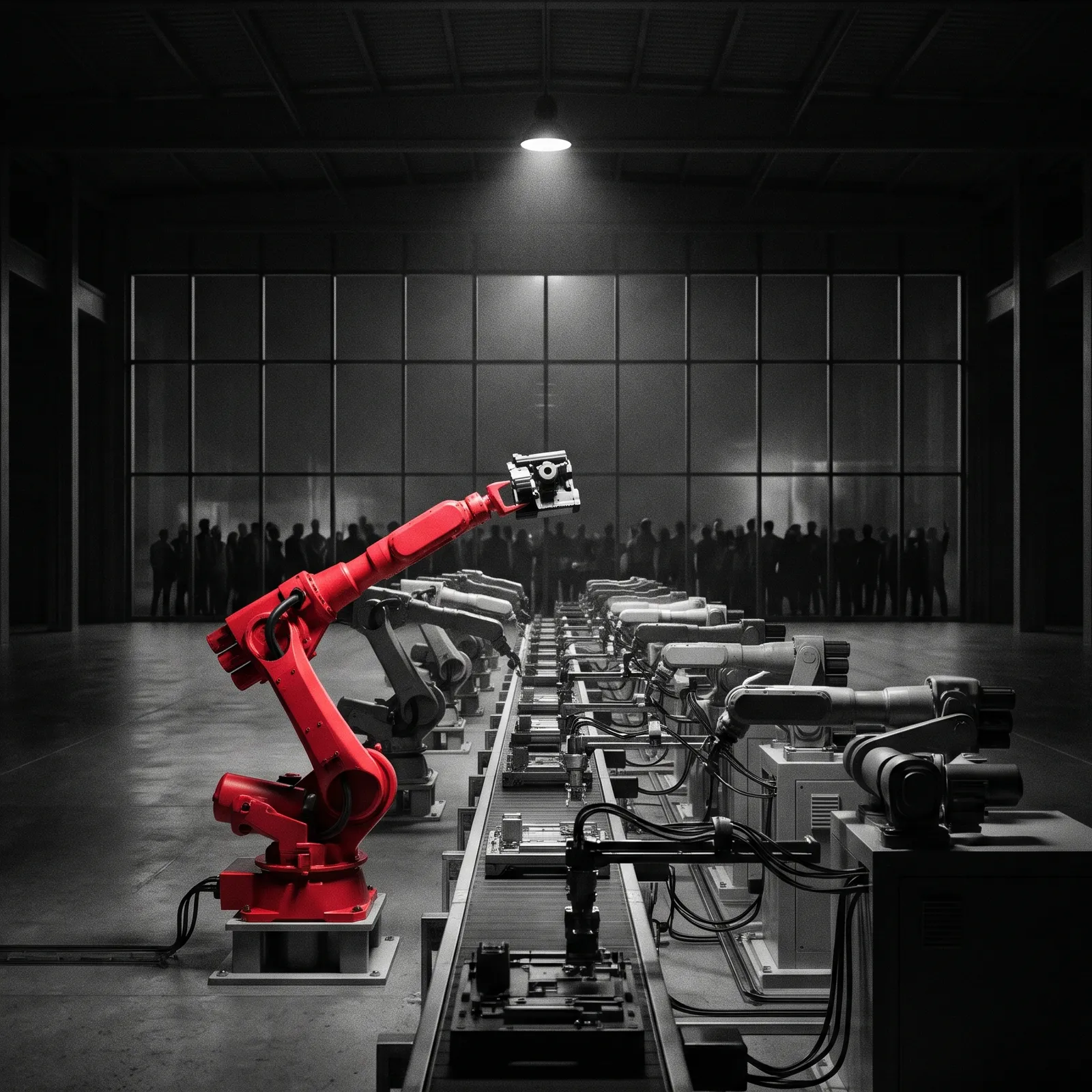
And now robots arrive, just as the balance between work, income, and consumption is under strain.
Elon Musk pictures a future in which AI and robots do the work and “probably none of us will have a job.” His proposal is a “universal high income” through government checks, and he says production will be so abundant that even more money won’t cause inflation.
But abundance of production is not, by itself, an answer to how it is divided. Who will own the robots? Who gets their profit? And who decides everyone else’s share?
If our share is nothing more than a check whose amount someone else sets, what have we become? No longer consumers, but what?
Scientific finding: In the US from 1979 to 2020, productivity rose 61.8%, but the hourly pay and benefits of the typical worker rose only 17.5% (EPI).
18
Dark
The Elephant in the Dark
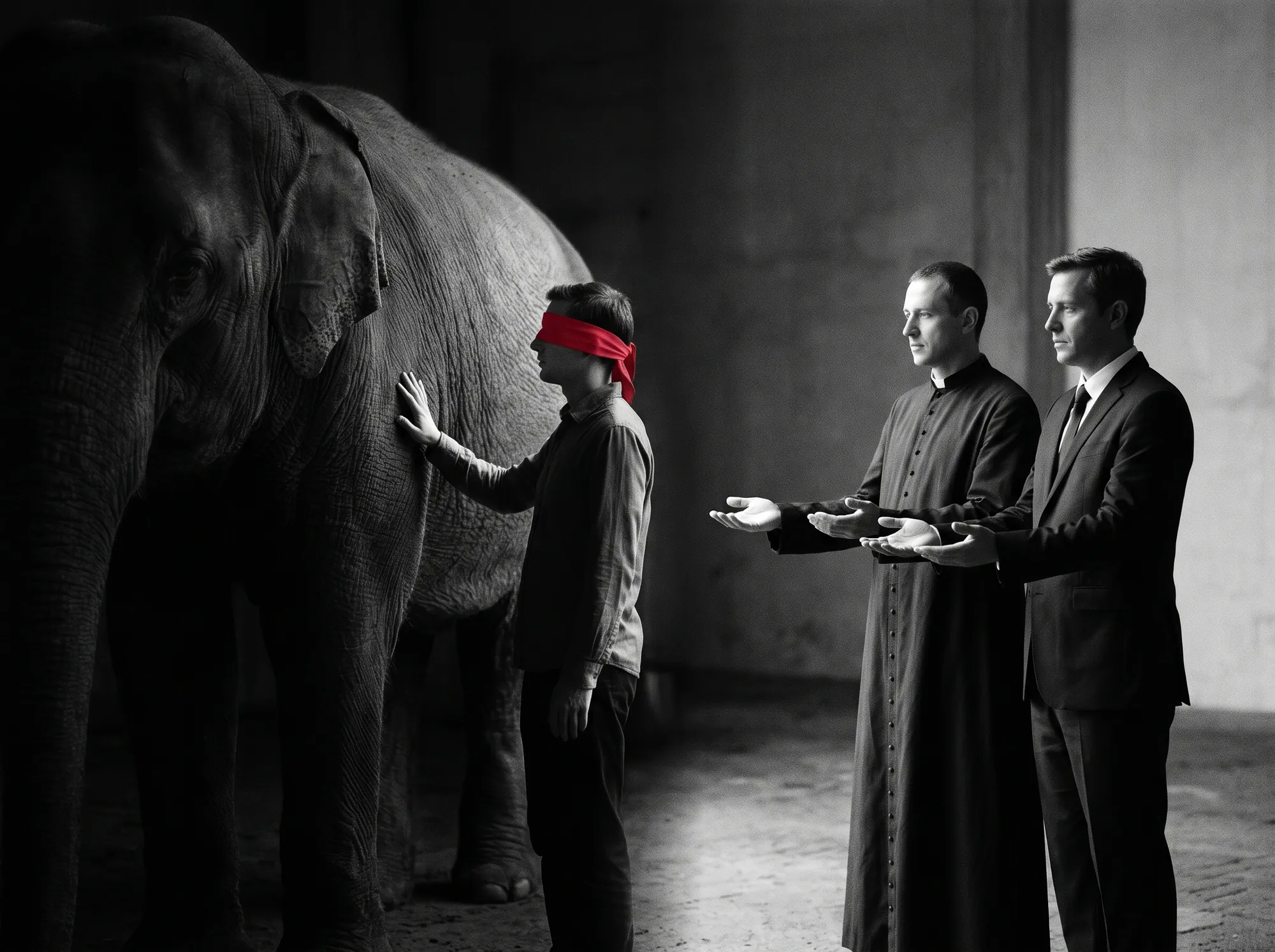
Rumi has a story that answers many of our confusions: the elephant in the dark. An elephant has been brought from India and placed in a dark house. People come to see it, but there is no light, and each tries to know it with the palm of a hand. Each touches one part and takes it for the whole elephant. None of them lies; but each knows the elephant only as far as a palm can reach.
The definitions of the human were like this. Everyone wanted something from us and defined us from that view: one for obedience, one for fighting, one for working and buying. Even those who searched honestly sometimes mistook a piece of us for the whole.
But why, throughout history, couldn’t we define the human being correctly? Because we mostly examined people from the view of need and the material body, and saw them in only one dimension. Yet human beings have two dimensions that must be seen together: a body shaped by evolution, whose capacity to think enables it to navigate life; and consciousness, which can give that body and its abilities direction. Seeing one without the other is again the elephant in the dark.
On the next page we see what these two dimensions of being human really are.
The Two Dimensions of Being Human
Historical source: “Had each held a candle in his palm, their differences would have disappeared.” (Rumi, Masnavi, Book 3; our translation)