The two-dimensional human
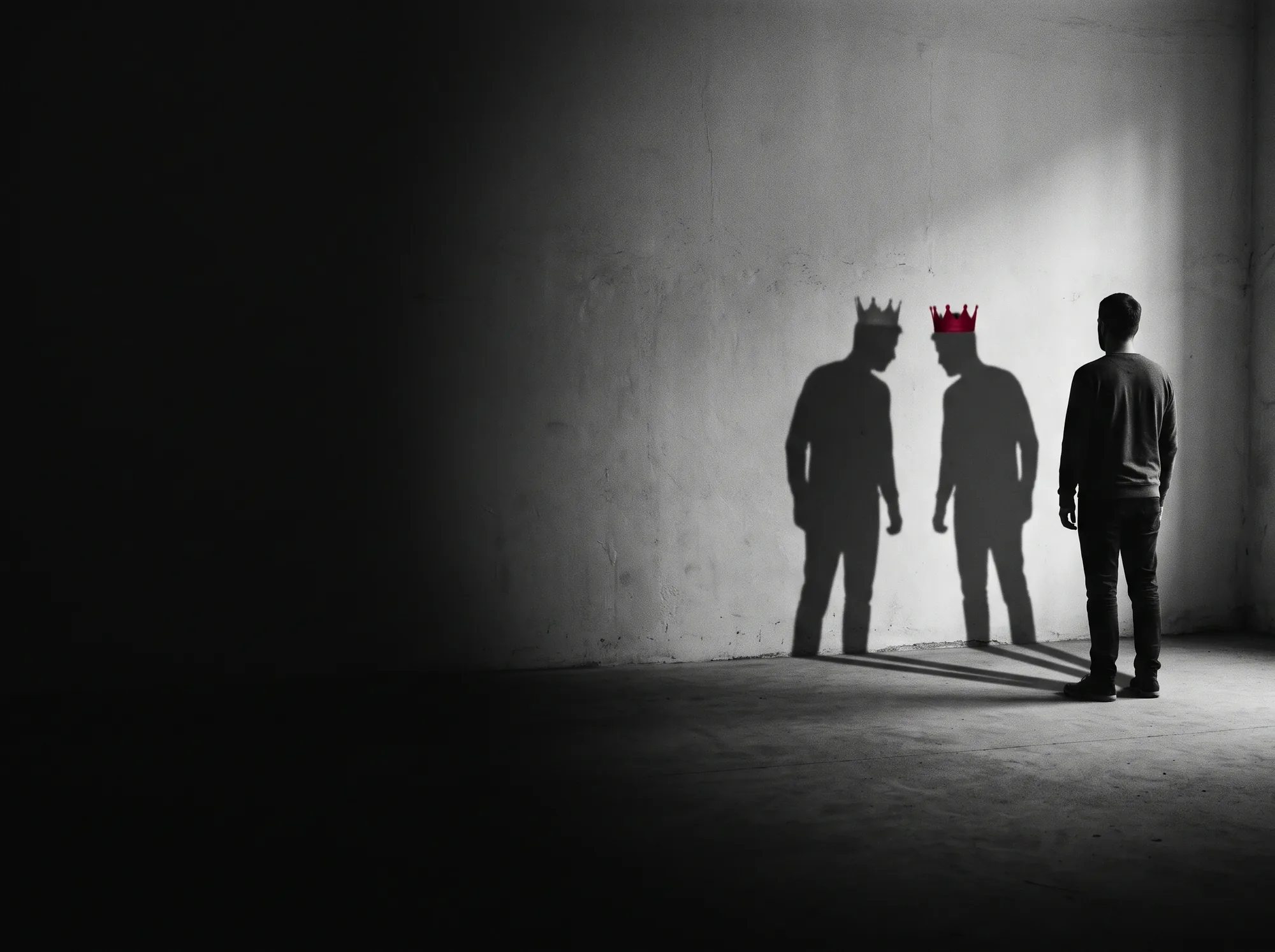
Two kings in one realmWe try to fulfill our wants; but with every want that is answered, ten new ones are born, and the more we gain, the deeper the sense of lack grows.Why is nothing ever enough?Because this insatiability is not your flaw; it is the nature of two forces that want, at the same time, to rule one body. Two kings in one realm:One thirsts for survival, consumption and instant gratification; a material dimension that grows more insatiable the more you give it.The other is consciousness; in search of meaning and a lasting growth that is not yours alone; a dimension that, until it is seen, no achievement can calm.If we cannot set the border and the share of these two kings, life becomes a wearing back-and-forth between wanting and staying empty.If nothing has ever satisfied you yet, this page is for you.
1
Sure
The Human: A Being We Are Not Sure About
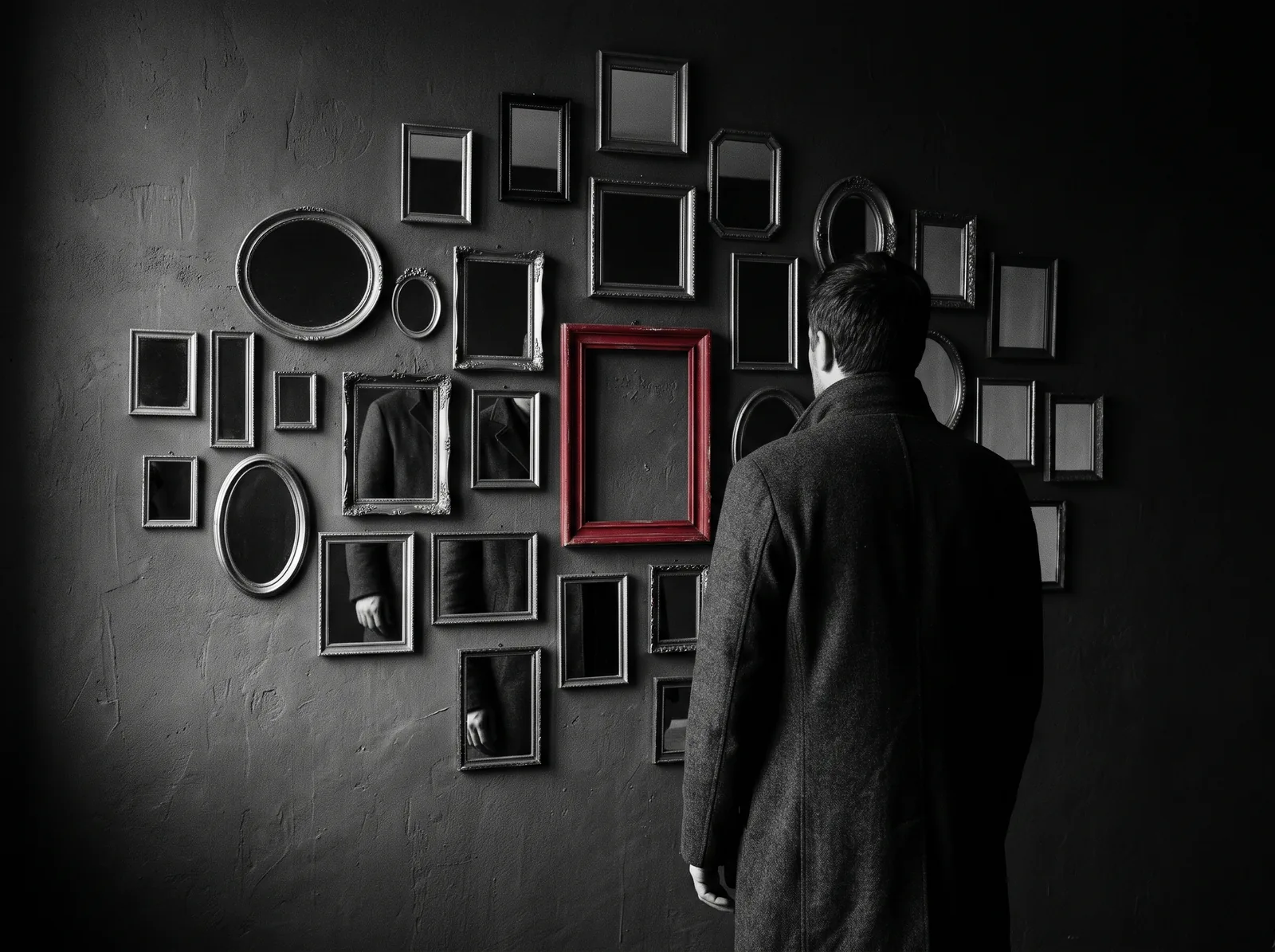
Every gaze is a mirror that sees us in its own reflection, and the only mirror that shows no image of us is our own gaze. Knowing nothing of ourselves, we chase desires that were imposed on us.
This failure to know ourselves feeds on a fundamental error: most of the definitions of the human that we have end, in the end, in a one-dimensional being. Even the religions, which tried to create a non-material dimension called the “soul”, seem to believe in it least of all; otherwise why is their picture of heaven and hell once again the punishment of flesh and skin, and the sexual and sensory rewards of this very body?
Perhaps this strange living being does not have only one dimension. Saadi, though on another subject, has a parable that is not unrelated: “Two kings do not fit in one realm.” If we take this realm to be our own body, who could those two commanders be?
Before you go on, think for a moment: if two commanders rule one realm at the same time, what happens to that land?
Historical record: Saadi, Gulistan, Chapter 1.
2
Realm
Two Commanders, One Realm
A man thinks he is one, but inside him two shadows have taken shape; two kings who must rule one land.
The first is the survival operating system. The body, like other living things, knows it needs food, security and a mate, but it does not know how much; because, unlike them, it is never sated.
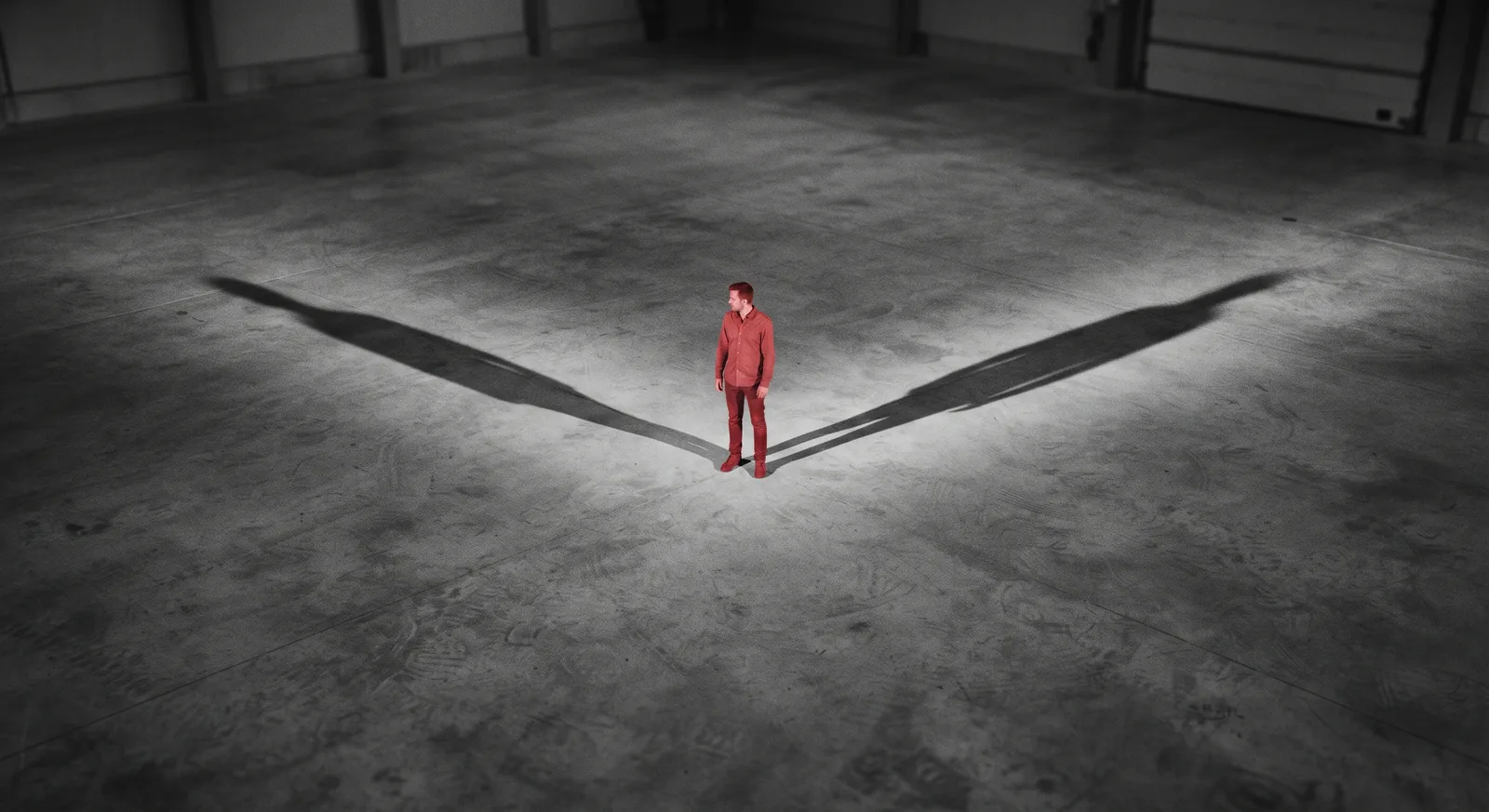
The second is the consciousness operating system. It knows how much it wants, infinitely, but it does not know what. When both rule one realm, the body knows what it wants and the conscious dimension knows how much; and a human is made who wants pleasure to the point of death.
But what the conscious dimension truly seeks is more consciousness. Consciousness, in this definition, is not knowing; it is the pattern itself. Something beyond knowing, like reading the language in which existence is written. This commander thinks, instead of fleeting pleasure, of expansion and persistence, and seeks that persistence in convergence, not in individuality.
From comparing the human with other animals, it appears that this is the first time such a commander has found its way into the brain of a living being, and it does not yet know its way. That is, the human is the only creature on this planet in whose brain the pattern has taken hold. The direction and power of this consciousness are not individual but collective; and systems, ideologies and religions, by dividing people and diverting their path, have destroyed this very boundless power. And this is the bewilderment you see in yourself every day.
Scientific finding: The mind has two systems, one fast and automatic, the other slow and deliberate; and the slow system usually exercises lax oversight of the fast one (Kahneman, American Psychologist, 2003, vol. 58, pp. 697–720).
3
Endless
A Wanting That Has No End
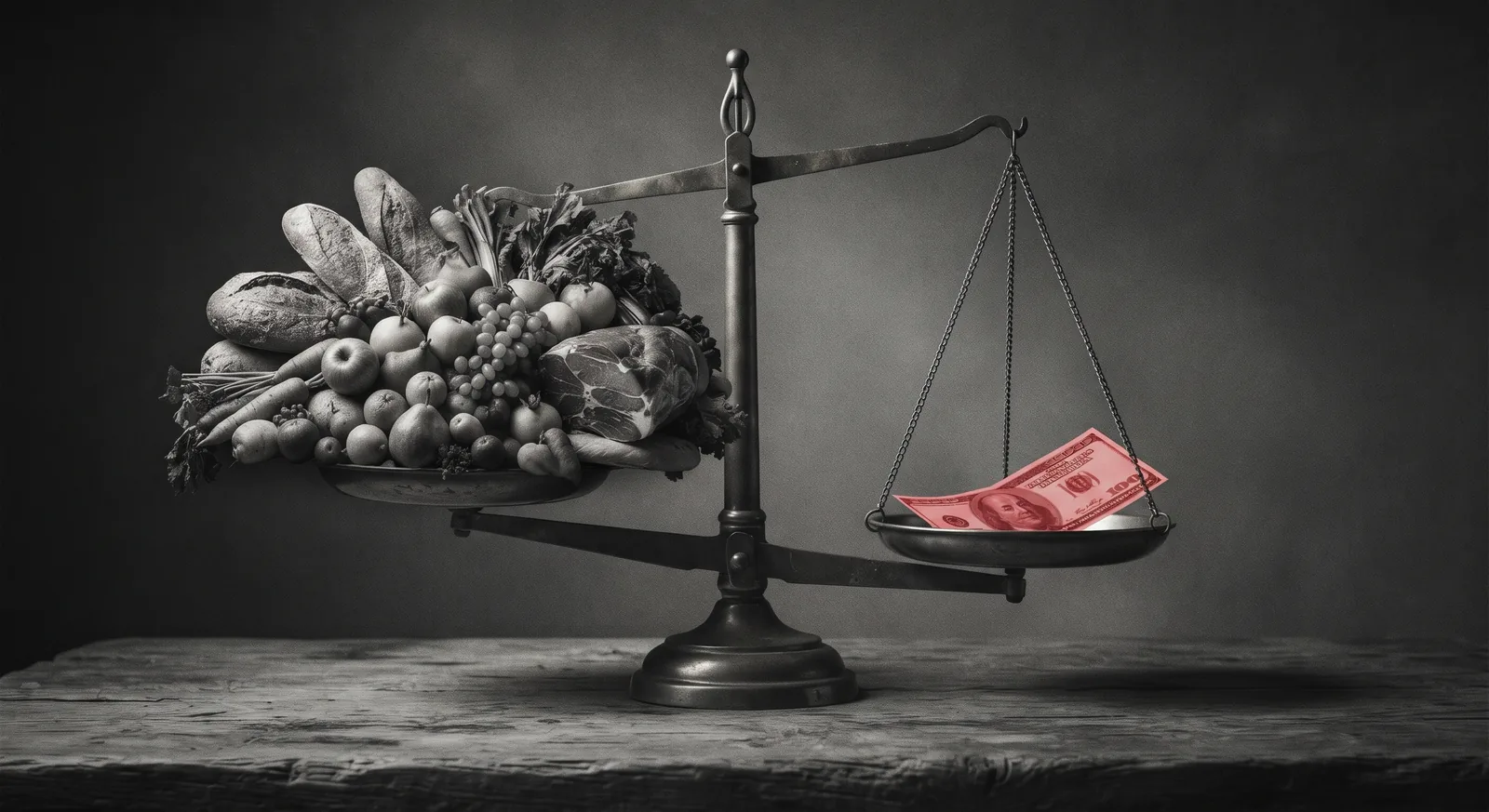
Food, security and a mate are still what he wants most, but in the civilization he has built, he gets them with money. The civilized human of today has summed up all his needs in one thing: money.
But the essence of those wants has not changed: eating, hoarding and taking pleasure.
We eat too much, even if it costs us our health and leaves us obese. We hoard beyond measure, even if we must spend our peace and all our strength to keep it. And when we see our vital needs merely as “pleasure”, we repeat them to the point of incapacity.
Why don’t we stop?
In nature, greed has a measure too; no wolf stockpiles for the generations after it. But in the human, the survival need of the body is mixed with the infinite wanting of consciousness. The biological brain imagines that if it stops for a moment it will perish, and consciousness knows no ceiling for this wanting. Wanting grows larger even when no pleasure is left in it; a fire that, it seems, only the body’s incapacity can restrain.
This blind excess has upset the balance: one gives his whole life to build a fortune beyond the needs of his descendants, and another runs all his life just to find a morsel of bread.
Life is an ecosystem: in each region all living things together form a cycle in which whatever is produced is consumed there; and this cycle survives only through balance. When one takes without measure, another’s table is left empty.
Scientific finding: In the brain, “wanting” and “liking” run on separate circuits; wanting can grow independently of pleasure, to the point that we crave something intensely even when we no longer enjoy it (Berridge and Robinson, American Psychologist, 2016, vol. 71, pp. 670–679).
4
Question
On Which Question Are We Burning Our Lives?
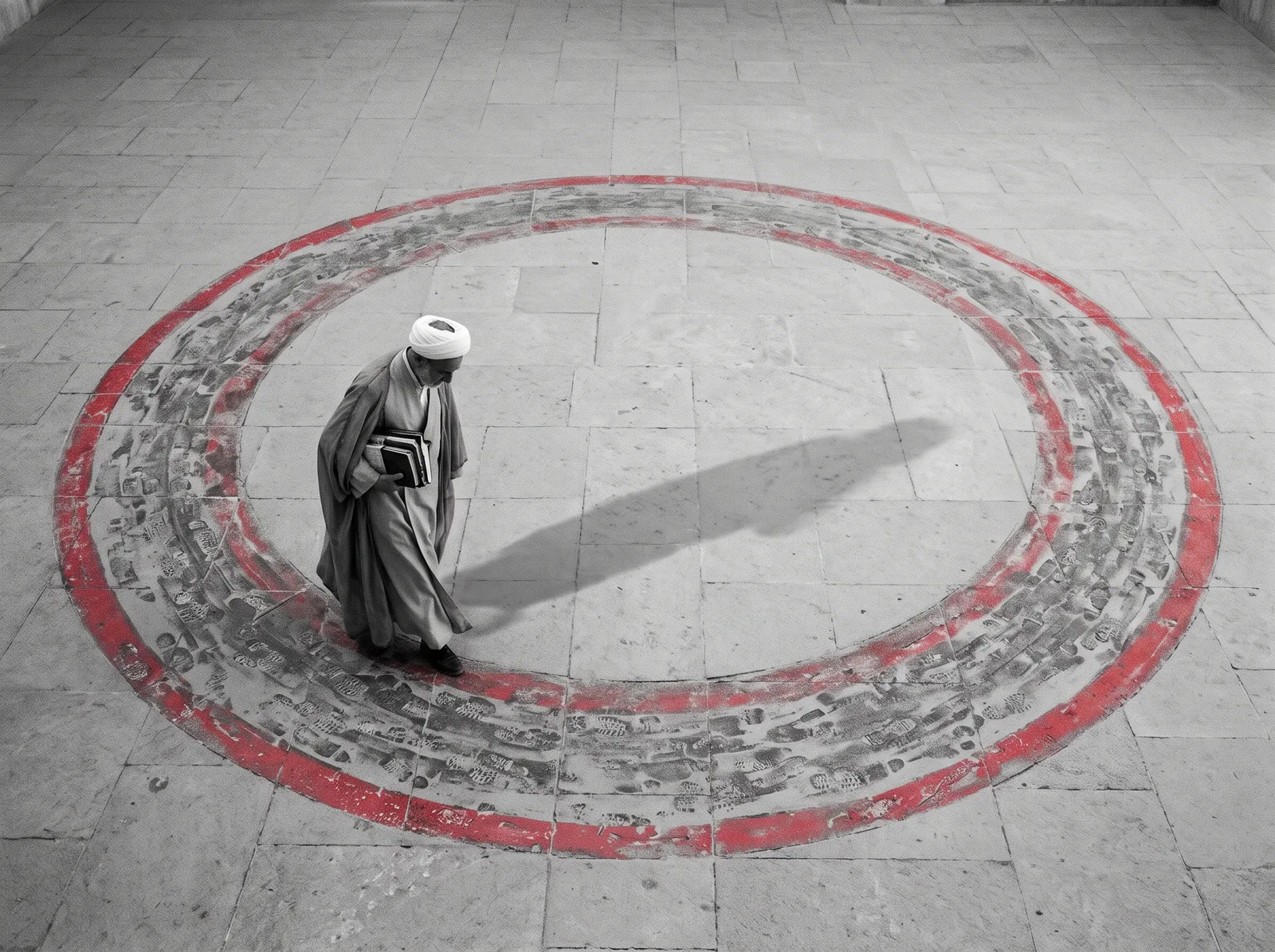
A man in a clerical robe walks fast and mutters under his breath; he has sought the truth for years, and today, more desperate than ever, he blames himself.
We were students. My friend and I were walking toward the faculty when we fell in step with him. We were young and curious; my friend asked what was wrong, was he upset with someone?
He glanced at us and, still walking fast, asked if we were students. We said yes, we study medical sciences. Under his breath he said, study, study; he too had studied and searched all his life. Then, with a pain that all those years had left in his voice, he said: “In the end we never found out whether Ali was right or Omar.”
The ache in his voice is still in my ears after forty years.
He was an honest seeker; so much that he had even doubted his own religion. He read, searched, asked… but all his life he had circled a circle that others had drawn for him.
And this is exactly our story: if you do not know what you really are and what dimensions you have, you can burn your whole life and intelligence on answers that were never your real question.
Historical record: The dispute over the succession to the Prophet after his death in 632 CE is the root of the split between Shia and Sunni, and fourteen centuries later it is still unresolved.
5
Enough
Who Tells the Body Enough?
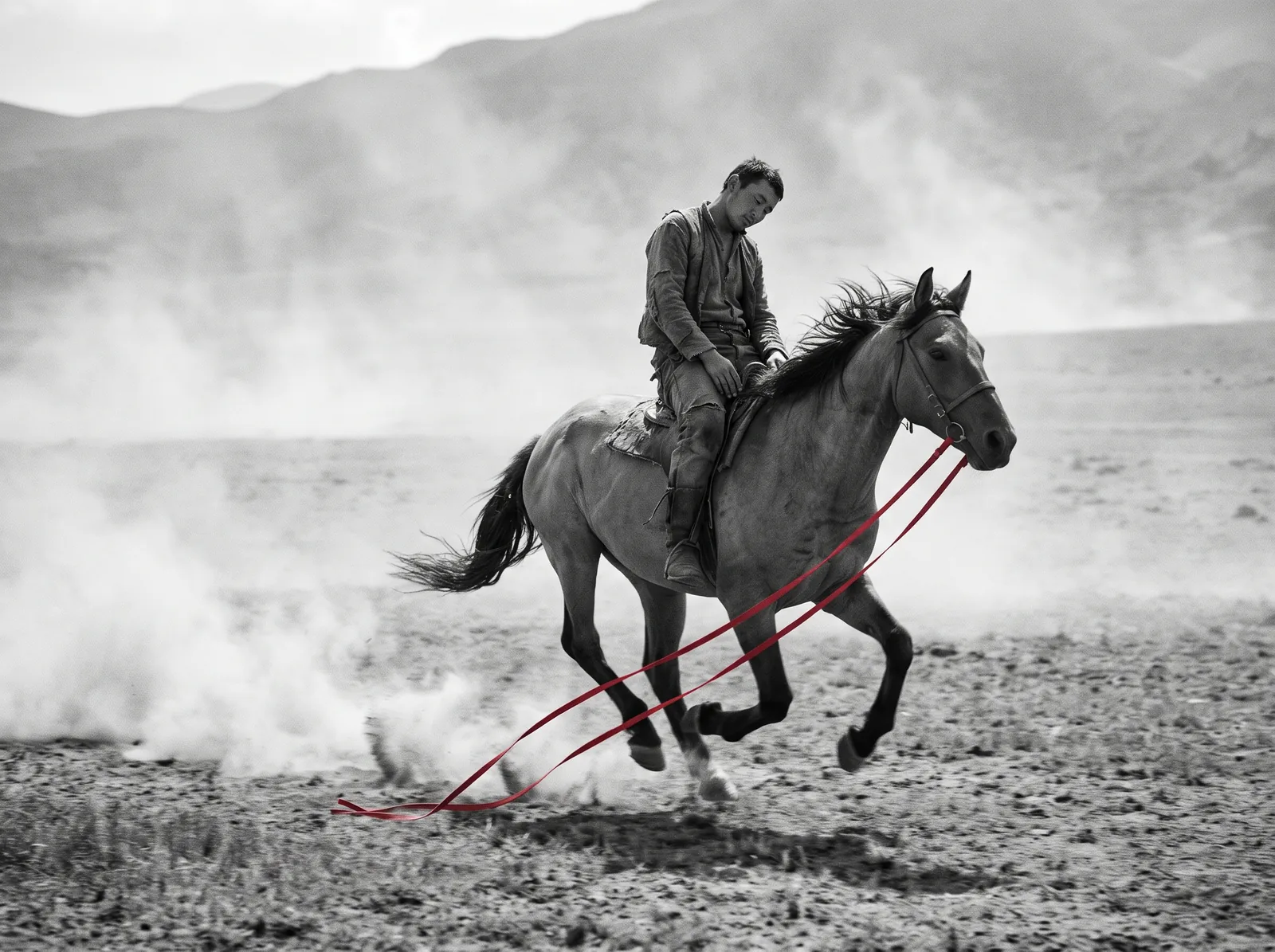
The rider no longer has the strength to control his mount; he has dropped the reins and, hopeless, left himself to chance. This is the image of a human who has no control over himself. And the body, knowing no limit, gallops on without a pause.
But someone must set this limit. That someone is the “mind”; that is, we ourselves as the one who decides. Yet instead of pulling the reins of this unruly horse, we have put all our intelligence and skill into its comfort. Until our gaze is of the kind of “consciousness”, the mind remains a naive servant that carries out every order from the instincts without question.
Nor is this border set by our whim and momentary desire. Today the greatest deception is this: “Whatever I feel like is right.” But the law of existence was not written according to our wants. The measure of welfare is not answering endless whims; it is bringing this body to its highest point of health and balance.
A body whose bones grow stronger with the pressure of each step has no road to health but movement.
Reining in the body’s wants is not simple. Until the mind opens the door of consciousness, it cannot stand against the limitless wants of the body; and until that day, no one is there to tell the body: enough.
Scientific finding: Human physiology evolved over millions of years for calorie scarcity and constant movement; today’s chronic diseases, from diabetes and obesity to heart disease, are the price of the mismatch between this ancient body and the modern environment, with its high-calorie food and idleness (Daniel Lieberman, The Story of the Human Body, 2013).

6
Deal
Pleasure, or a Deal?
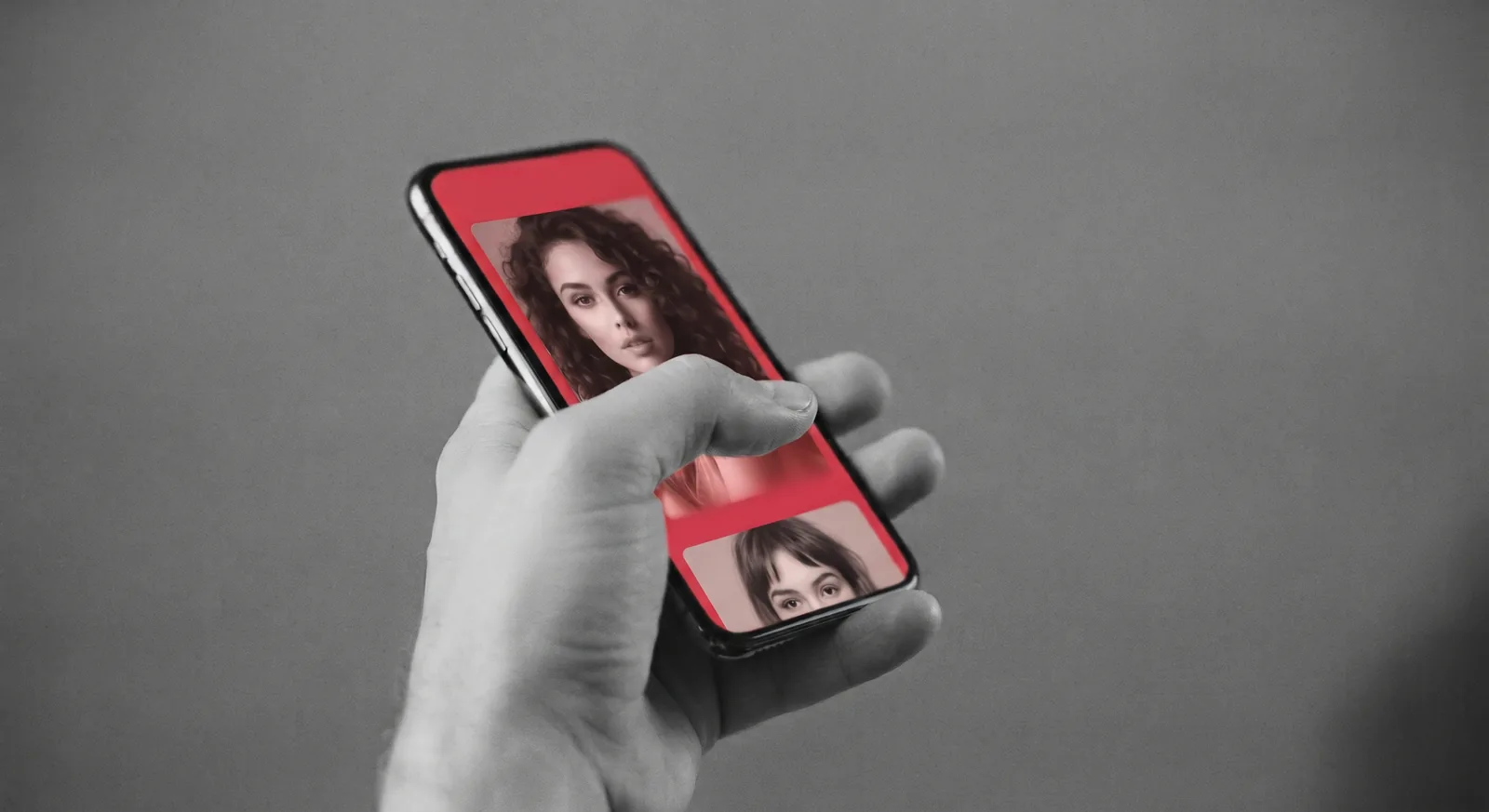
On the edge of a table, two anxious hands are clasped; anxiously, they have staked their hearts on each other. A little way off, a hand pushes forward a check for a million dollars. This is the story of the film Indecent Proposal; a story that brought a deep love to the brink of collapse.
They accept the deal in the hope that tomorrow is a new day. The film proceeds as though money subjects even the most sacred emotions to itself; but what was traded was the body, not love.
Love means someone, free of any profit or deal, wants you for yourself, not as a tool for pleasure. Money could buy one night of physical thrill, but the real outcome was the ruin of the bond, not love.
The consumer civilization is built on this same error of understanding. The market values only what can be invoiced. Sex and passing thrills can be put in a shop window, but love and lasting meaning cannot be sold in any window; so the advertising machine sells us the first in the guise of “real pleasure”. When a fleeting thrill takes the place of the truth of pleasure, human strength is burned in consumption and civilization, at the peak of affluence, is left deeply aching and hollow.
Scientific finding: Sexual desire, romantic love and lasting attachment are three separate but related neural circuits in the brain; lasting attachment is linked to hormones such as oxytocin and vasopressin (Fisher, Human Nature, 1998).
7
Lasting
Fleeting Pleasure, or Lasting?
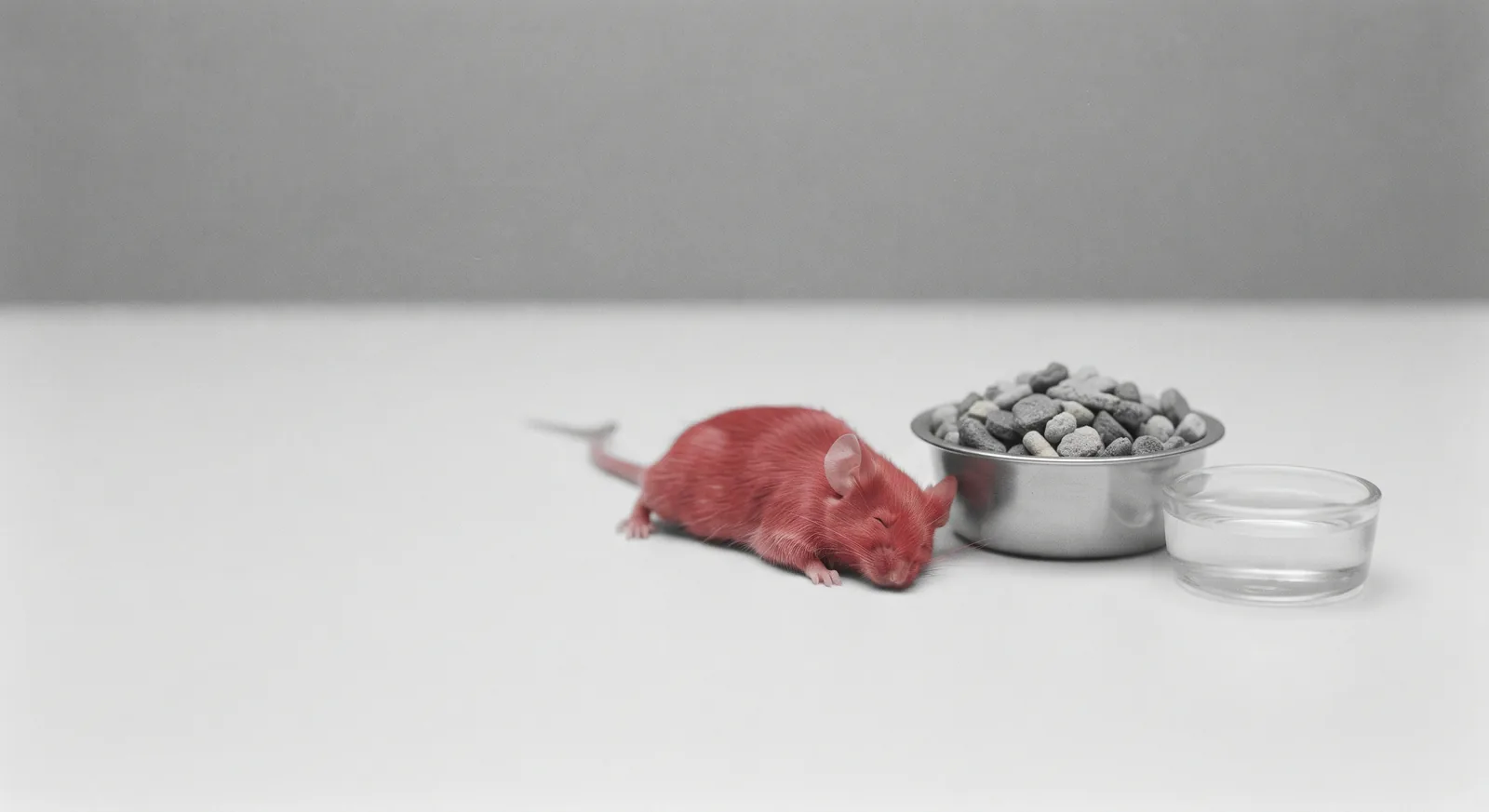
With every movement of the finger, a dreamlike image took shape on the screen, and every day one dream came true. It was a familiar finger that looked much like me in face and features, but younger. He had written his wish this way: “Every day, a new catch.” And that year, almost every day he succeeded.
That same year, I had just arrived in Canada, as AI was becoming widely available at the start of 2024. For months I rarely left the house and put all my passion into a riddle that had stayed in my mind for years: what consciousness is. Without any academic degree in the field, I wrote the RFCP theory, and a well-known professor with more than twelve thousand scientific citations offered to co-author. The result was the Sonic Consciousness theory, which is now cited in scientific sources.
That year had 365 days for both of us and our biological energy was equal; but where we spent that year built two different worlds. His pleasures became a photo album of the past; mine built a horizon toward a better future.
The pleasure that modern civilization advertises is sellable pleasure: something that ends with each use and needs a new product; the best commodity for a market civilization. Modern civilization does not know what it loses in its market.
From the angle of the pattern: fleeting pleasure is an unstable pattern that collapses with consumption; and real pleasure is a stable pattern that not only does not collapse but adds to its own stability.
Scientific finding: The brain quickly adapts to sensory and consumer pleasures, and after each satisfaction, contentment returns to its former level; a phenomenon psychology calls the “hedonic treadmill” (Brickman and Campbell, 1971).
8
Reward
Pleasure, or a Reward for Staying Alive?
Scientists bred mice whose brains do not make dopamine. Water and food were beside them, but they made no effort to eat; without replacement medication, they starved to death beside the food. Interestingly, they still preferred sweet water to plain water; that is, they sensed the taste but had no motivation to go toward it.
This experiment reveals an important secret: what draws us toward food or a mate is not pleasure itself; it is a reward that the biological system pays for continued survival. The body bribes every behavior that guarantees its survival so that we repeat it.
Let us see the same mechanism in sex: nature set this reward for the continuation of the species. But in developed countries, with contraception, the fertility rate has fallen from 3.3 in 1960 to 1.5, far below the 2.1 needed to maintain a population. We have separated the reward and thrown away its purpose.
Food is the same: sugar has little nutritional value, but because it gives the brain an instant reward, sugarcane is today the most-produced crop in the world; more than two billion tons a year. We pay the price of taste, not of health.
What we call pleasure is not pleasure; it is a bribe to keep surviving. And a civilization that sells these rewards keeps us in the same closed circuit: workers in the service of survival, not creators in search of meaning.
Scientific finding: Dopamine-deficient mice starve beside food, although they still prefer the sweet taste (Zhou and Palmiter, Cell, 1995; Cannon and Palmiter, Journal of Neuroscience, 2003).
9
Deeper
Which Pleasure Grows Deeper with Repetition?
“From love, bitter things turn sweet; from love, copper turns to gold.” — Rumi
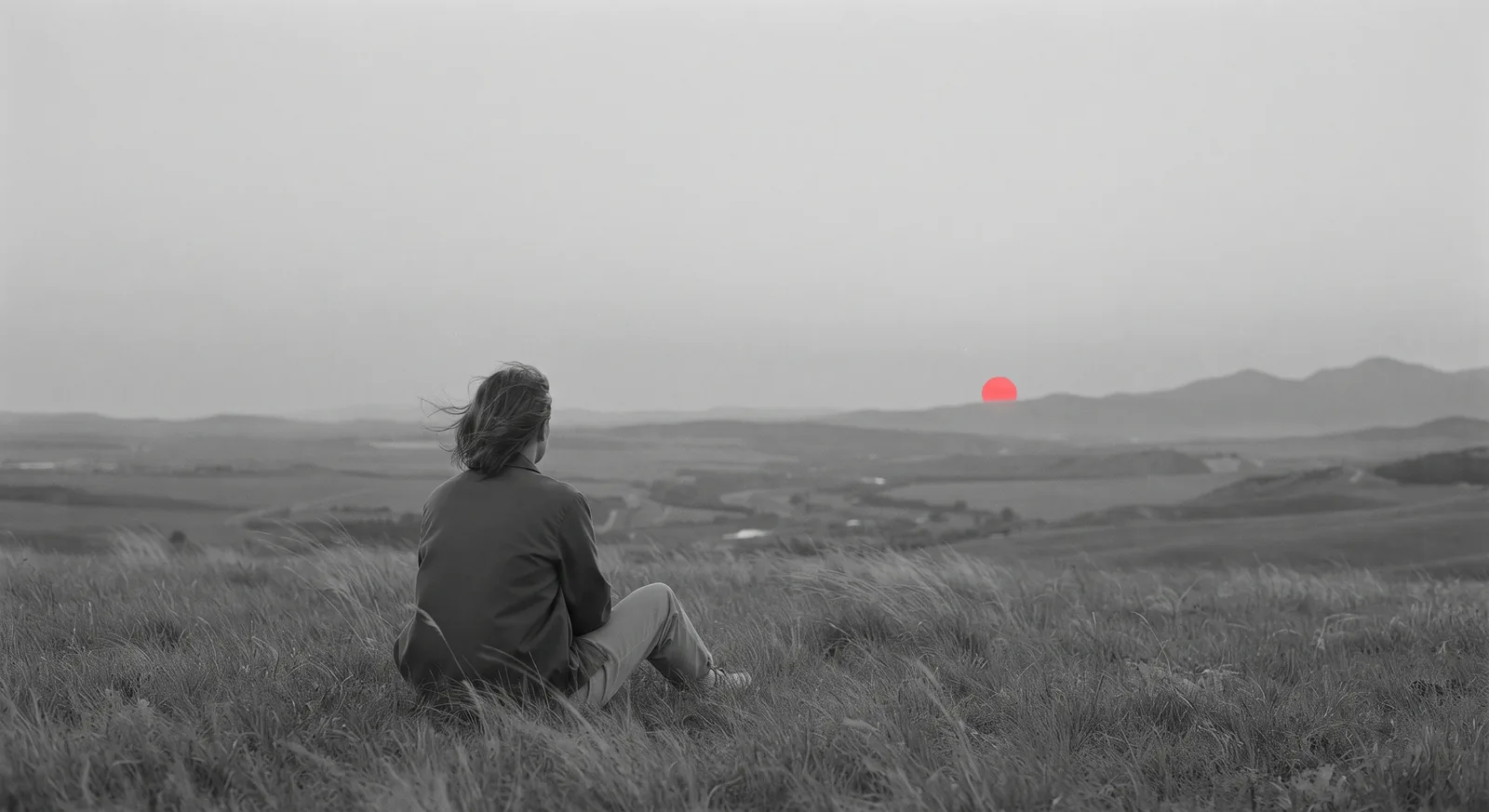
When we fall in love, the world takes on another color; from the redness of the sunset to the coolness of the morning breeze. Real love adds no material good to the body, but in the simplest conditions it steeps the body in calm and contentment.
This love is not an instinctive pull between two bodies; it is a state of inner oneness in which you can be kind to all of existence.
Love sprouts in the dimension of consciousness. A person understands love properly only when they step out of the fence of mere consumption and fall in love with consciousness and growth; then they love whatever helps this growth.
Real pleasure is not sensory pleasure that is fleeting and wearing; it is a tenderness that deepens every moment. It is not devouring, so that with its excess we become fat and ill; it is giving and kindness, which at each remembrance revives the same freshness in the soul.
The criterion is clear: real pleasure does not threaten or wear down a person’s vitality and health; it strengthens their life and psyche.
Scientific finding: People who practiced daily, unstinting kindness and compassion toward themselves, those close to them, strangers and all beings had more positive feelings week by week, fewer symptoms of illness and greater life satisfaction (Fredrickson et al., Journal of Personality and Social Psychology, 2008, vol. 95, pp. 1045–1062).
10
End
Is Artificial Intelligence the End of Our Work?
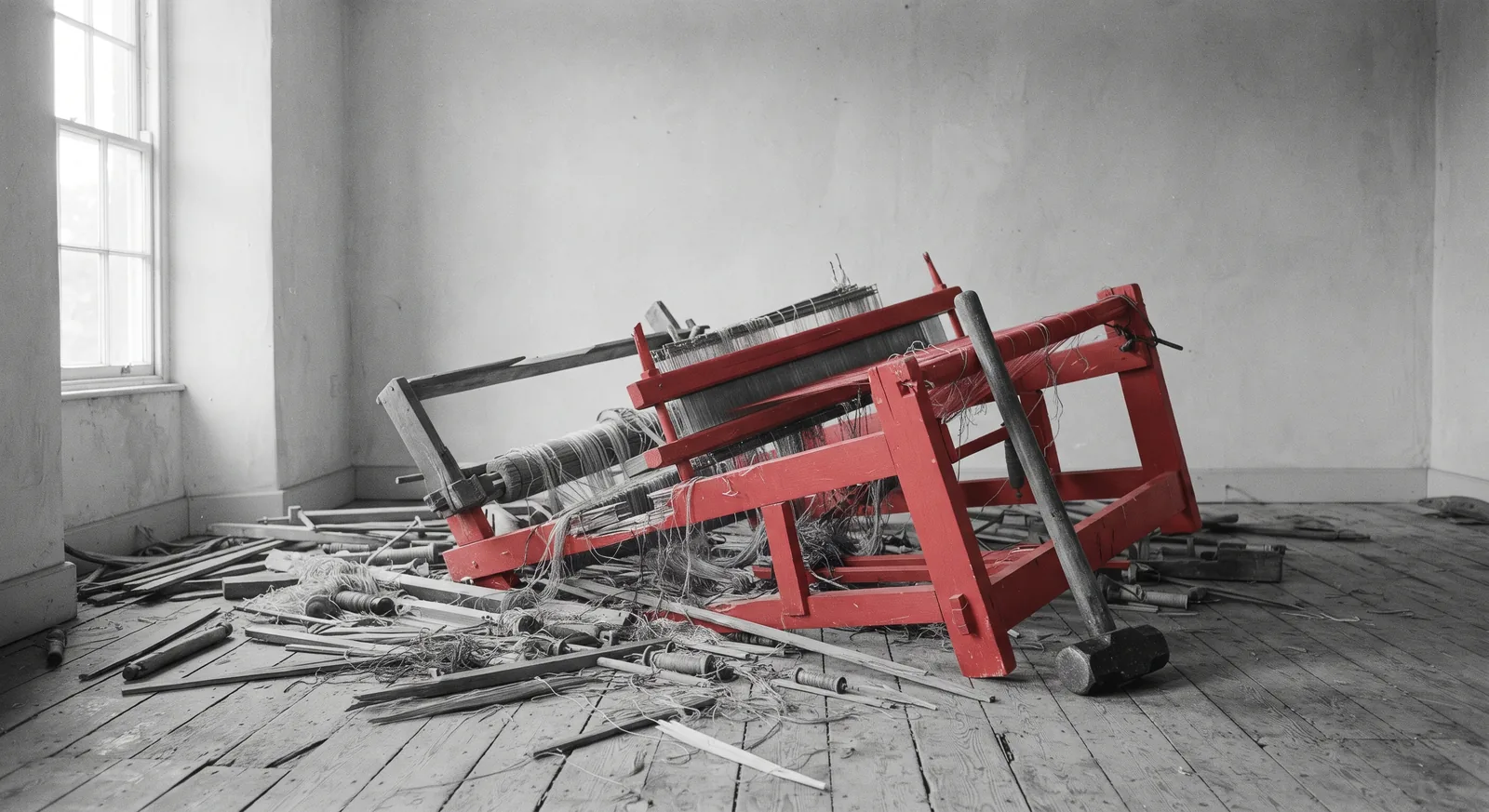
At the start of the nineteenth century, English weavers known as the “Luddites” raided workshops by night and smashed the weaving machines; they feared the machine would steal their bread.
Alvin Toffler even attributes the American Civil War to the clash of these same two waves: the agricultural South against the industrial North.
But the truth was that work did not disappear; it moved. In 1900, about 41 percent of American workers were farmers, and today less than two percent. The load was lifted from the shoulders of muscle and given to the brain: teaching, management and thousands of new trades. The human’s fear was not of the machine; it was of not knowing himself: he thought he was made only to dig.
Today, though, the same dread has returned. The education of the industrial wave, which in Toffler’s words was a school-factory, made us into cogs to carry out serial, repetitive jobs. Industry carved a new identity for us: human robots.
Now artificial intelligence does these repetitive tasks tirelessly and instantly; these kinds of jobs are lost and, terrified, we cry out again: “What will become of my future?”
But the real question is this: was I created only to perform repetitive tasks? Is AI a danger of occupying our occupations, or the promise of a bigger step toward being human?
Scientific finding: About 60 percent of the jobs held in the US in 2018 did not exist at all in 1940 (Autor et al., Quarterly Journal of Economics, 2024).
11
Friend
AI: Rival or Friend?
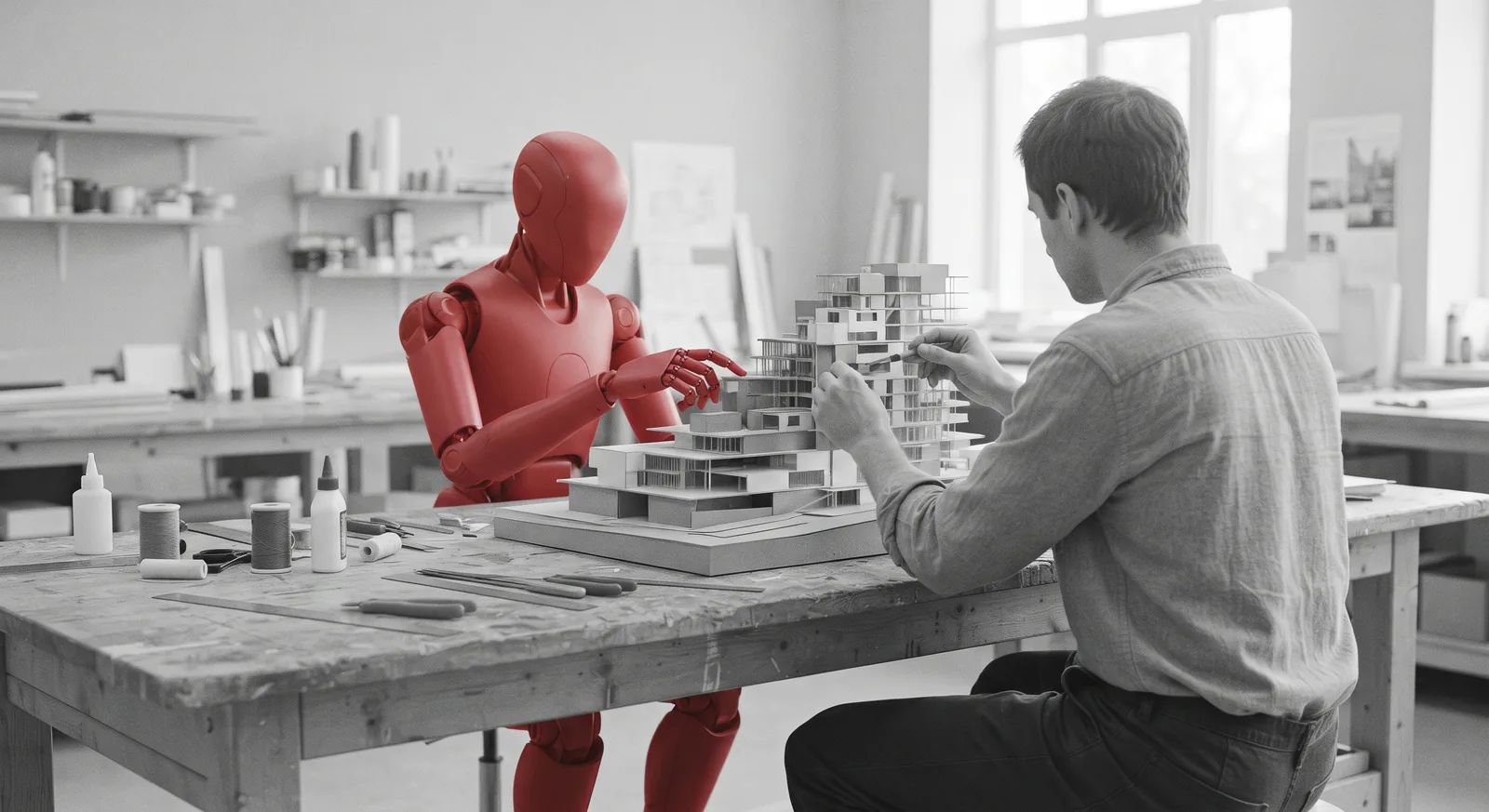
The steam engine freed the muscle; artificial intelligence frees repetition. Each time a burden was lifted from the human’s shoulders, something higher in him found room to rise.
If we keep the body within the border of health and balance and leave repetitive work to the machine, the most precious asset is freed: attention, time, and that same endless longing that until today burned in consumption, hoarding and repetition. This infinity has somewhere else to flourish: creation.
To create is not only to paint a picture; it is to bring something into being that was not there before you: an idea, a structure, or a deep understanding of the world. This is the longing no machine replaces.
For someone who sees himself as a consumable cog, AI is a rival; for someone who has come to know his conscious dimension, a friend. It seems to put the essence of the knowledge of the best into the hands of the eager, and to open doors that until yesterday opened only after years of academic monopoly. Without holding any academic title, I was able, with this companion, to explore the deepest question of my life.
Perhaps for the first time in history we have a real tool for thinking. You live at the most astonishing point in history; a time for becoming human and for finding yourself again.
Scientific finding: Access to AI raised the productivity of more than 5,000 workers by 14 percent on average, and by 34 percent for novices and the least skilled, narrowing the skill gap in favor of newcomers (Brynjolfsson, Li and Raymond, Quarterly Journal of Economics, 2025, vol. 140, pp. 889–942).
12
Enemy
When Does a Part Become the Enemy of the Whole?
Three hundred and thirty billion cells die in our bodies every day and as many new cells are born; yet you are still who you were. The cells go, the body remains.
Civilization too is a larger body, and each of us a cell in it. The individual’s body will one day go, but its effect, if civilization is in balance, remains in the whole; just as cells give way to the next ones so that life continues.
But sometimes in the body, a cell forgets this bond. It ignores the stop signals, multiplies without pause and devours the share of the rest. This phenomenon has a terrifying name: cancer.
Our civilization knows this cell well. World income has grown sixteenfold since 1800, but the mechanism of its distribution has not grown. Today the richest one percent devour more than a third of the world’s wealth, while hundreds of millions of other cells in the same body go hungry.
The cancer cell thinks itself victorious to the last moment; until the day the host body collapses, and with the death of the whole, the part itself is also destroyed. In the body of civilization the law is the same: a part endures only when it serves the balance of the whole.
Scientific finding: The multicellular body rests on cooperation; cells restrain their multiplication, die on time and share resources. Cancer is cheating in this system: a cell that breaks the common rules and monopolizes resources (Aktipis et al., Philosophical Transactions of the Royal Society B, 2015, vol. 370).
13
We
I or We?
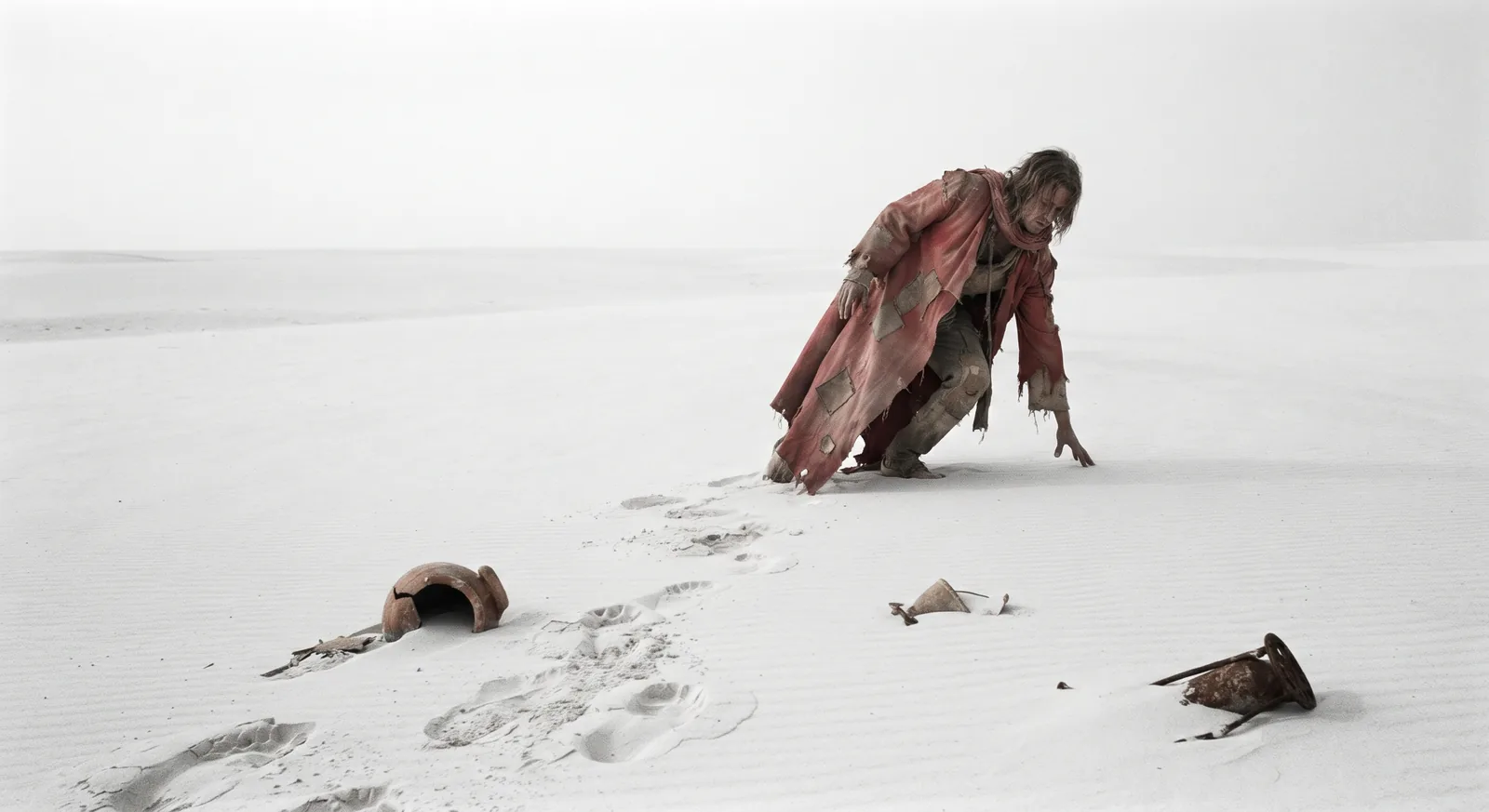
The desert stretches to the horizon and nothing limits the breadth of the gaze. On the sliding sand, a lone human footprint slowly fades: no hand for water, no eye to see danger, no companion toward a settlement. A lone human falls silent in the heart of this expanse; and this very fragility drew us toward one another.
We gathered, sowed seed, built villages and cities and called it “civilization”; but that was only a name for a structure, not its truth. Being side by side does not by itself make a civilization. Today millions of people breathe next to each other in one city but share nothing beyond daily need and exchange; they buy, they sell and pass by each other indifferently. This is not civilization; it is only “settling in one place”.
True civilization is born when people, like the cells of one body, build a living bond; an order that comes alive with companionship, stands firm on truthfulness and trust, and reaches perfection through love and sacrifice. In such a body art is born, and its output is nothing but creation. The part no longer fights to devour the rest, but continues in the survival of the whole; as Hafez sang: “Our permanence is inscribed on the ledger of the world.”
But how is such a society built?
Scientific finding: Strong social bonds raise the probability of human survival by 50 percent; an effect comparable to well-known risk factors such as smoking and alcohol (Holt-Lunstad et al., PLoS Medicine, 2010).